
Your cart is empty
How to Lower Pool pH (Safely & Quickly)
If your pool water feels cloudy, your eyes sting, or you're chewing through chlorine, high pH is usually the culprit. Here's exactly how to bring it back into range.
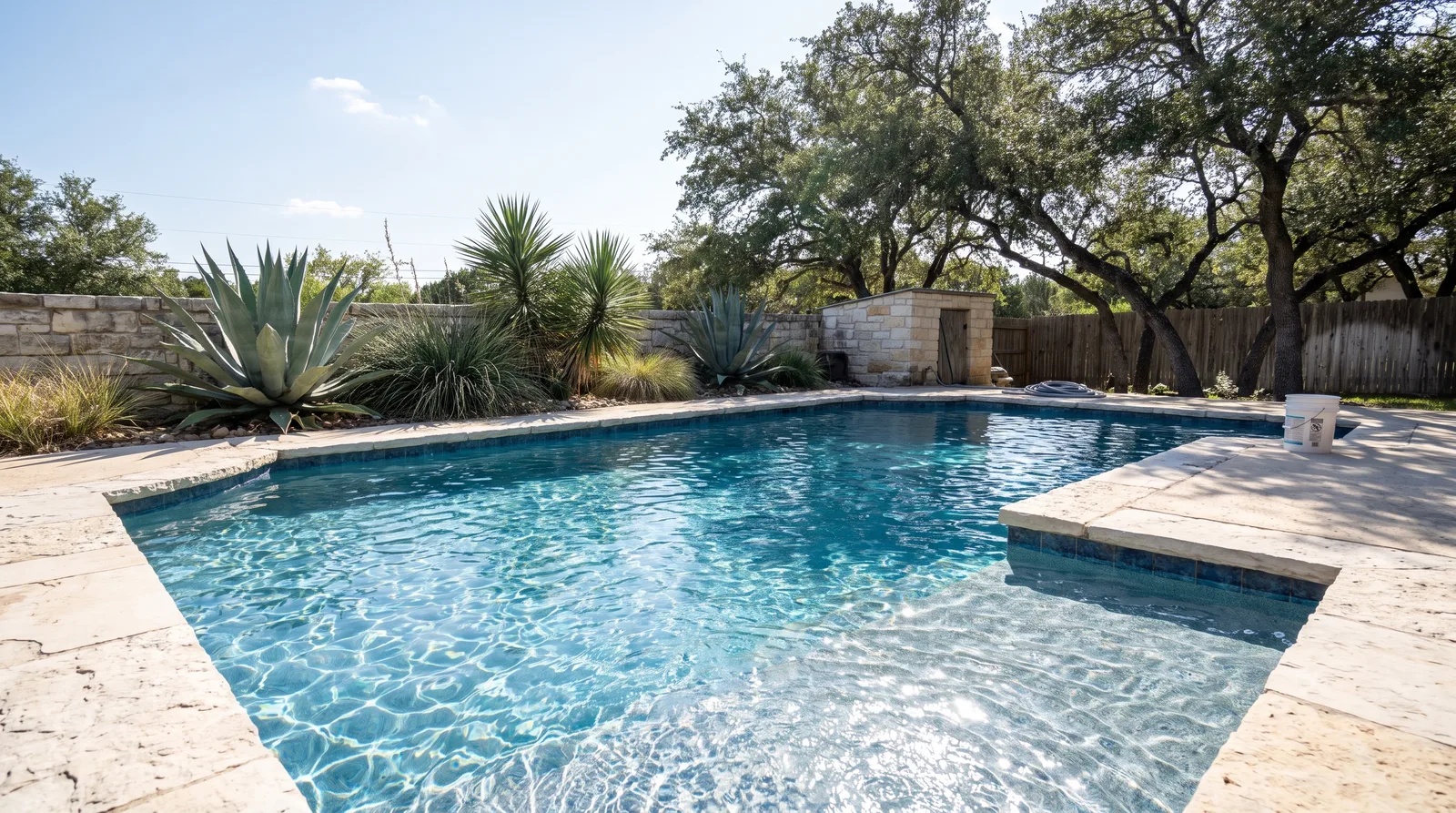
Pool pH measures how acidic or basic your water is on a scale from 0 to 14. The sweet spot for swimming pools is 7.4 to 7.6 — slightly basic, just like the natural pH of human tears. When pH drifts above 7.8, problems start adding up fast: chlorine becomes 5–10x less effective, calcium scales out on tile and equipment, and swimmers start to notice itchy skin and burning eyes.
The good news: lowering pool pH is one of the easiest fixes in pool care, as long as you know which chemical to reach for and how much to add.
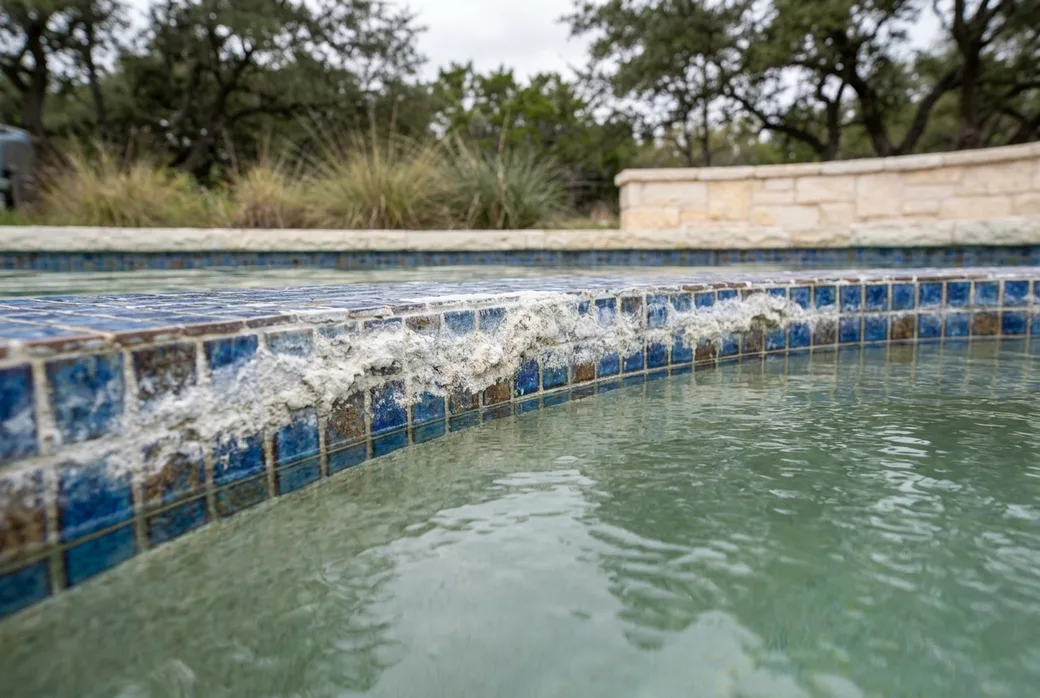
Why High Pool pH Is a Problem
When pH climbs above 7.8, several things happen at once — and none of them are good:
- Chlorine stops working. At pH 8.0, only about 20% of your free chlorine is in the active sanitizing form. At pH 7.4, that number jumps to over 60%. High pH is the #1 reason people "use a ton of chlorine and still have algae."
- Scale builds up. Calcium carbonate falls out of solution and crusts onto tile, plumbing, heaters, and salt cells.
- Water turns cloudy. Even with perfect chlorine, high pH water often has a hazy, dull look.
- Swimmers complain. Burning eyes, dry skin, and faded swimsuits are classic high-pH symptoms.
If you're constantly fighting algae or chlorine demand, test pH first — not chlorine.
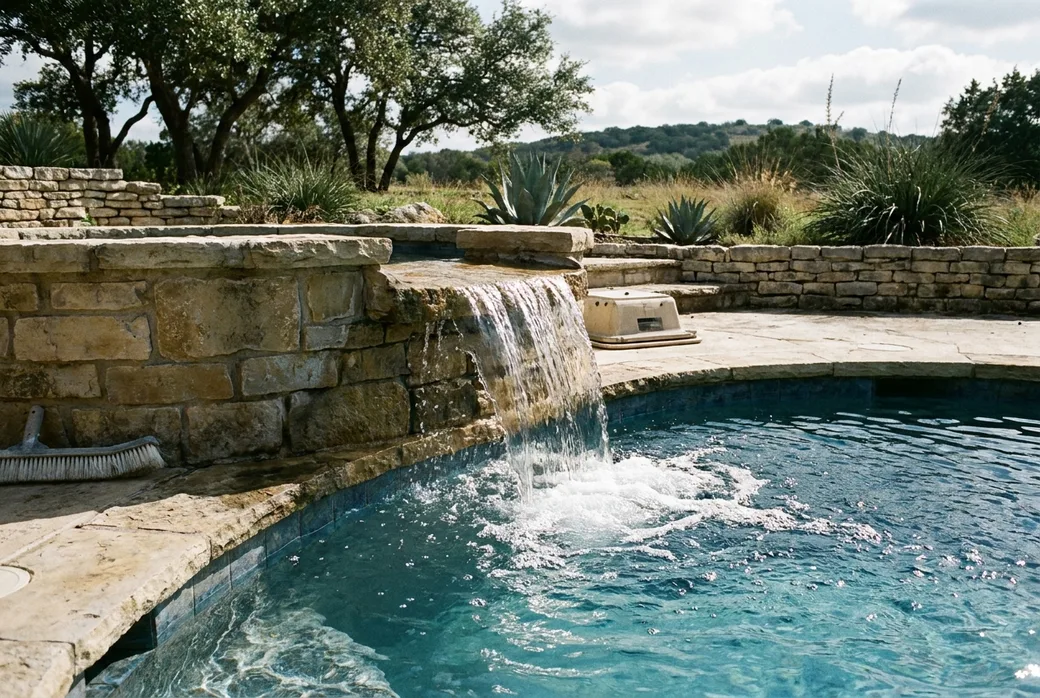
What Causes High pH in a Pool?
A few common culprits push pH up:
- New plaster or pebble surfaces — they leach calcium hydroxide for up to a year.
- Salt chlorine generators — they naturally raise pH as a byproduct of electrolysis.
- High alkalinity — total alkalinity above 120 ppm pulls pH up with it.
- Aeration — water features, spillovers, and aggressive return jets release CO₂, which raises pH.
- Liquid chlorine or cal-hypo shock — both have a high pH and can spike readings temporarily.
Knowing the root cause matters, because lowering pH is only a temporary fix if the underlying driver keeps pushing it back up.
How to Lower Pool pH: Step-by-Step
Step 1: Test your water accurately
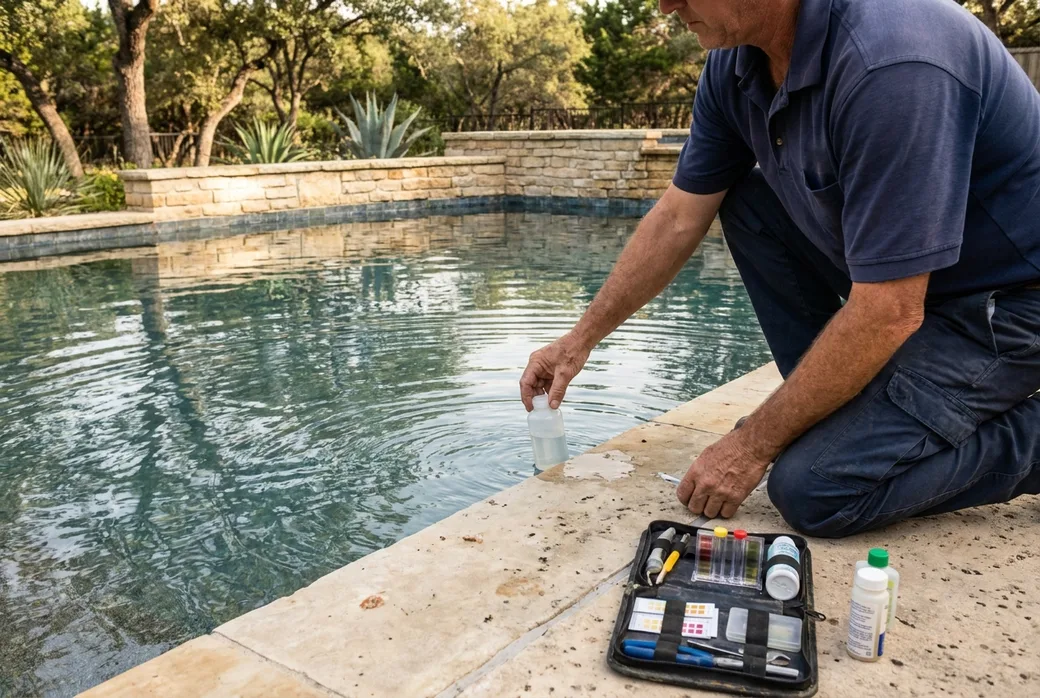
Before adding anything, get a real reading. Test strips are fine for spot checks, but for dosing decisions you want a digital reader or a smart pool monitor that measures pH continuously. Test both pH and total alkalinity — you'll need both numbers.
Target ranges: pH 7.4–7.6, total alkalinity 80–120 ppm.
Step 2: Pick your acid
You have two solid options:
- Muriatic acid (hydrochloric acid, ~31.45%) — fast, cheap, and the industry standard. Liquid form, available at any pool or hardware store.
- Sodium bisulfate ("dry acid" or pH Down) — granular, easier and safer to handle, but more expensive per dose.
For most residential pools, muriatic acid is the go-to. Use dry acid if you have small kids around or you're nervous handling liquid acid.
Step 3: Calculate the dose
A general starting dose for a 20,000-gallon pool to lower pH from 8.0 to 7.5:
| Chemical | Amount |
|---|---|
| Muriatic acid (31.45%) | ~25 fl oz (about 3 cups) |
| Sodium bisulfate | ~21 oz by weight |
Always round down on your first dose. It's much easier to add more acid later than it is to raise pH back up after overshooting.
Step 4: Add the acid the right way
- Turn the pump on so water is circulating.
- Walk to the deep end, downwind.
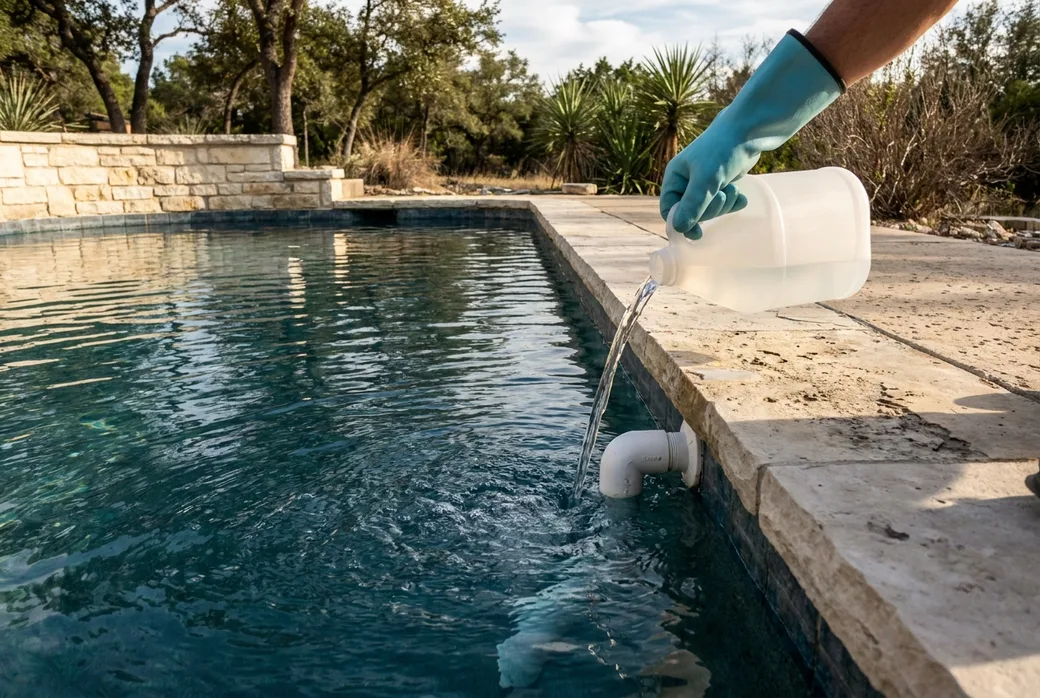
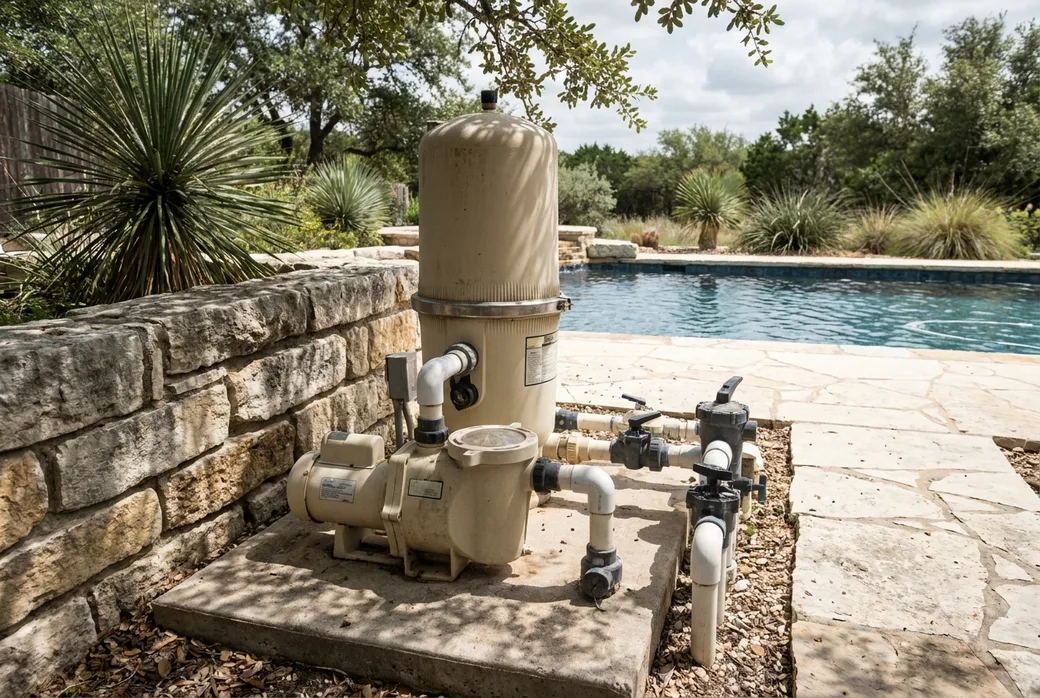
- Pour slowly over a return jet, into the moving water. Never pour acid into the skimmer — it can damage the heater and pump.
- Keep the pump running for at least 30 minutes to mix.
For dry acid, sprinkle it slowly over the deep end the same way.
Safety: Always add acid to water, never water to acid. Wear safety glasses and gloves. Keep acid bottles upright, capped, and away from chlorine.
Step 5: Retest after 4–6 hours
Don't retest immediately — give the acid time to fully circulate and react. After 4–6 hours, measure pH and alkalinity again. If pH is still above 7.6, repeat with a smaller dose.
How to Keep pH from Rising Again
Lowering pH once is easy. Keeping it stable is the real win. A few habits make a big difference:
- Lower your total alkalinity first. If TA is above 120 ppm, pH will keep climbing no matter how much acid you add. Bring TA down to 80–100 ppm using the acid column method and pH stabilizes naturally.
- Reduce aeration if you can. Spillovers, fountains, and aerated returns drive CO₂ out of the water and raise pH.
- Switch from liquid chlorine to a UV system. A UV pool system can cut your chlorine demand in half, which means less daily acid balancing. Learn more on our UV pool systems page.
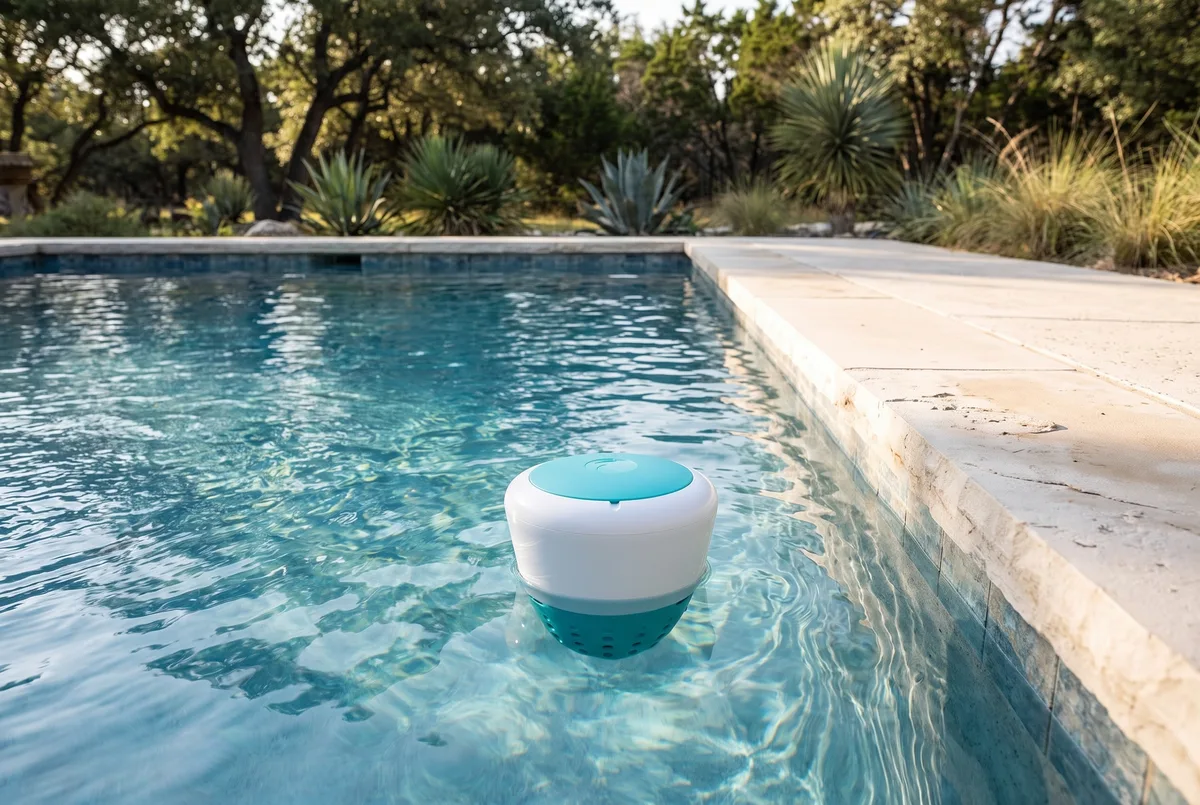
- Use a smart water monitor. Continuous pH tracking catches drift early — before scale forms or chlorine stops working. Browse our smart pool water monitors.
How Often Should You Check pH?
| Pool type | Recommended frequency |
|---|---|
| Standard chlorine pool | 2–3 times per week |
| Salt water pool | 2–3 times per week (salt cells push pH up faster) |
| New plaster / pebble | Daily for the first 30 days |
| Smart-monitored pool | Continuously (every 1 hour automatically) |
Most pH problems are silent until they're already causing damage. The cheapest fix is the test strip you used last week. The smartest fix is a monitor that catches drift before you do.
Common Mistakes to Avoid
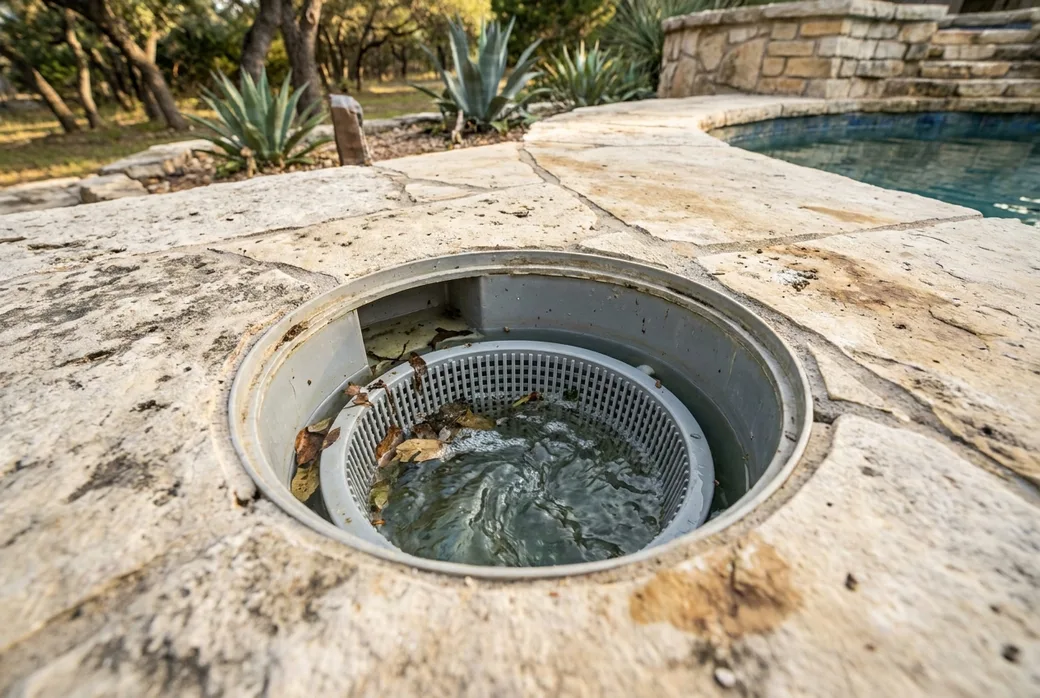
- Pouring acid into the skimmer. This sends concentrated acid straight to the heater and pump. Always pour into a return.
- Adding acid with the pump off. You'll create localized acid pockets that can etch plaster and damage liners.
- Chasing pH without checking alkalinity. If TA is too high, pH will rebound within days no matter what you do.
- Overcorrecting. pH below 7.0 is corrosive — it eats heaters, ladders, and metal trim. Round down on doses.
- Mixing chemicals. Never combine acid with chlorine, shock, or any other pool chemical. Add one chemical at a time and let it circulate.
When to Call a Pro
Lowering pH is straightforward, but a few situations are worth a service call:
- pH consistently rebounds above 8.0 within days, even with good alkalinity.
- You see staining, scale, or etching on plaster or tile.
- You suspect equipment damage from chemical imbalance.
- Total alkalinity is above 180 ppm and won't come down.
For everything else, a small bottle of muriatic acid, a good test, and a slow pour solve the problem in under 10 minutes.
Bottom line: keep pH at 7.4–7.6, keep alkalinity at 80–100 ppm, and your chlorine, equipment, and swimmers will all thank you. For the easiest possible pool care, pair good chemistry habits with a smart pool water monitor — and you'll spend more time swimming than testing.
Make pool maintenance effortless
Our smart water monitors track pH, ORP, and more in real time — and tell you exactly what to add. No guessing, no test strips.
Explore Smart Water Monitors