
Your cart is empty
How Long Should You Run Your Pool Pump Each Day?
Run the pump too little and the water goes stagnant; run it too much and you burn money. Here's how to find the right run time for your pool.
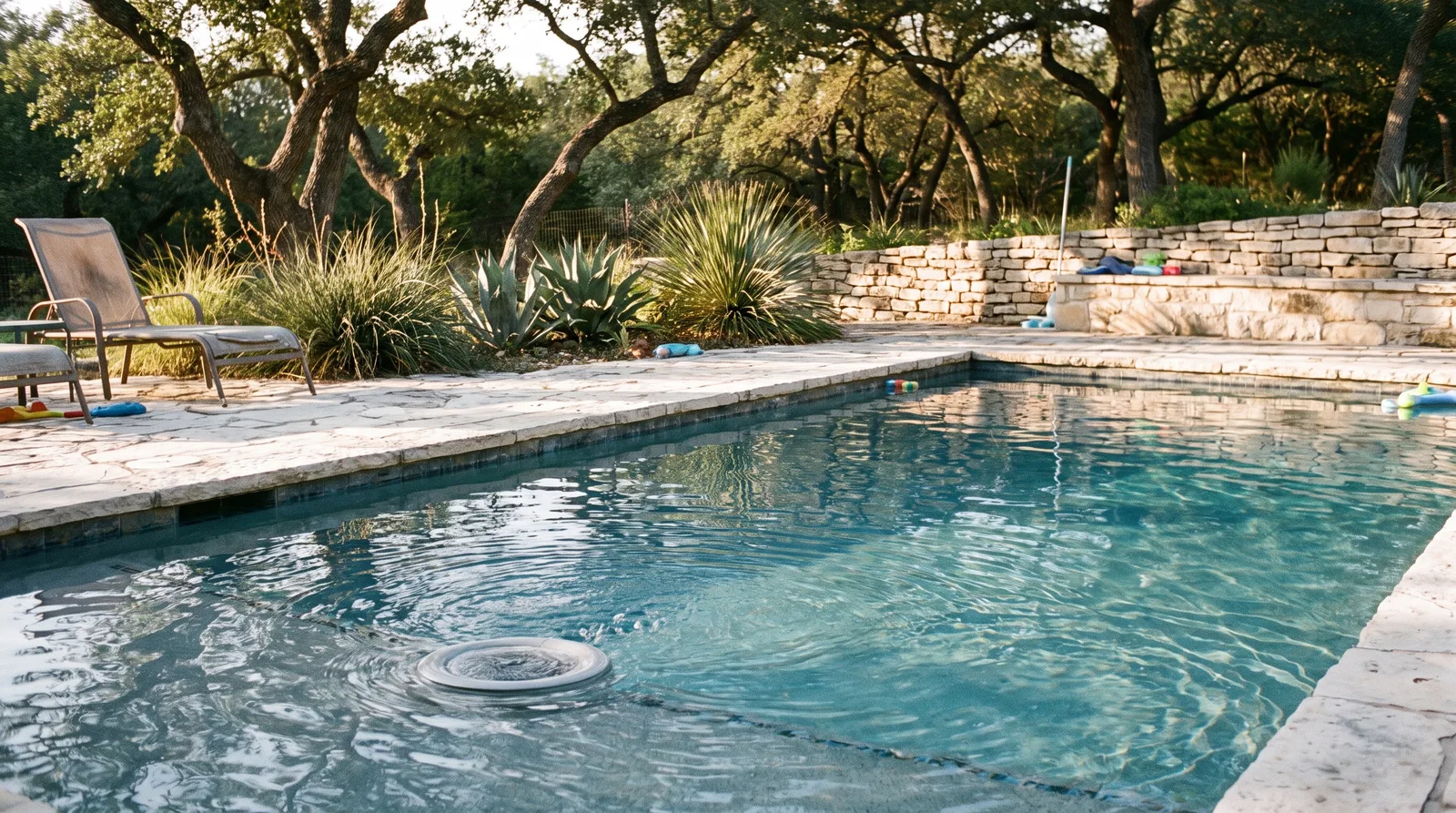
Your pool pump is the heart of the whole system — nothing else works without it. It moves water through the filter, distributes chemicals, and prevents the stagnant dead spots where algae and cloudiness begin. But the most common questions are also the most practical: how long should it run, and when? Run too little and you invite problems; run 24/7 and you waste a lot of electricity. Here's how to dial it in.
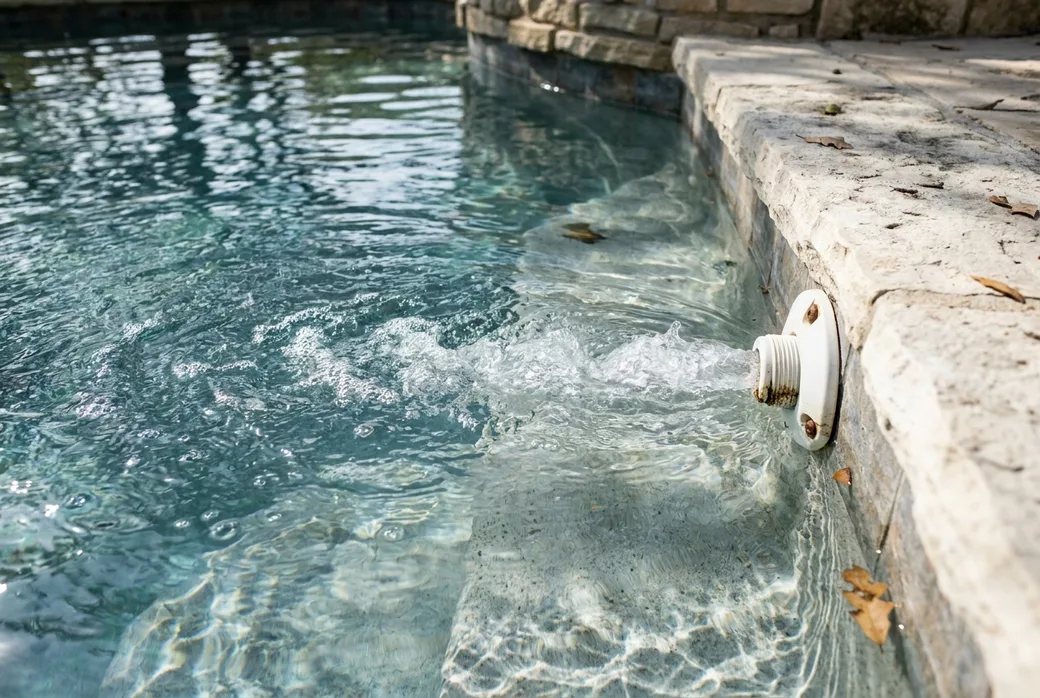
Why Circulation Matters
Everything good about your pool depends on water movement. Circulation pushes water through the filter so debris and fine particles get removed, spreads sanitizer evenly so there are no under-protected zones, and prevents the still corners where algae takes hold. A pool with great chemistry but poor circulation will still go cloudy and grow algae, because the chemistry never reaches everywhere. In short: circulation is what turns "chemicals in the water" into "a clean, evenly treated pool."
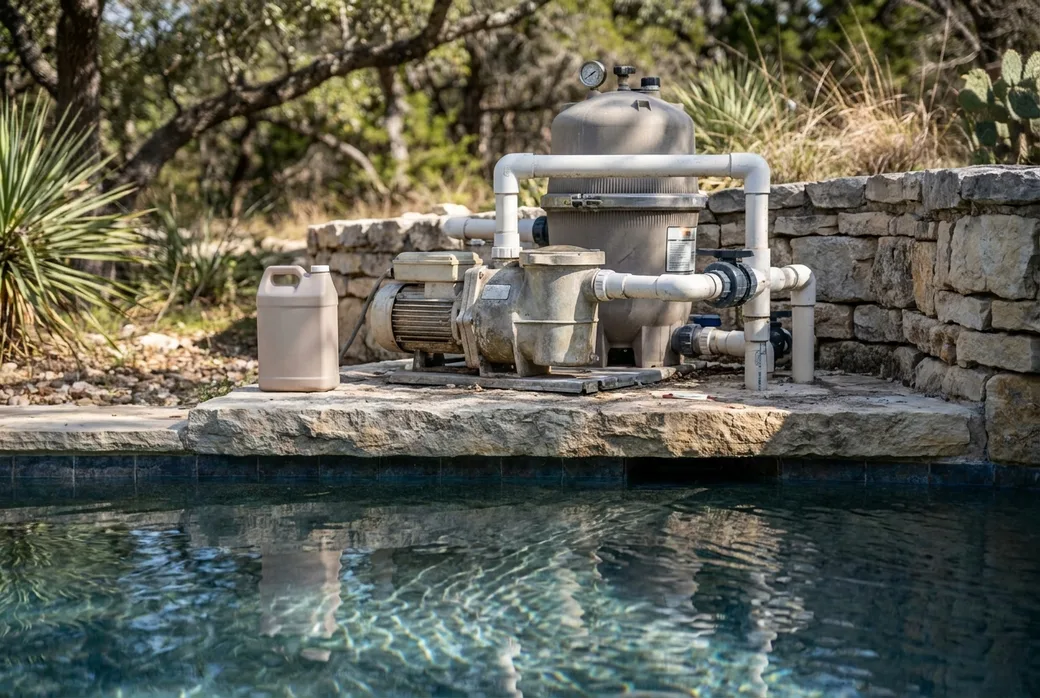
The General Rule: 8-12 Hours a Day
The standard guidance is to run your pump long enough to turn over all the water at least once a day — which for most residential pools works out to about 8–12 hours daily in swimming season. Turnover is the key concept: your pump should cycle a volume equal to your whole pool through the filter each day. Most pumps are sized to do that in 8–12 hours. When in doubt, 8 hours is a reasonable minimum in peak season; longer if your pool is heavily used or it's very hot.

Factors That Change Your Run Time
The 8–12 hour rule is a starting point — several things push it up or down:
- Temperature and season. Hot Texas summers speed up algae and chemical demand, so run longer; cool months need much less.
- Bather load. Heavy use adds contaminants that need filtering out.
- Pool size and pump capacity. A bigger pool or a smaller pump needs more hours to hit one turnover.
- Debris and surroundings. Lots of trees, pollen, or dust means more filtering.
- After treatments. Run longer (or 24/7) after shocking or while clearing algae or cloudiness.

Best Time of Day to Run the Pump
When you run matters almost as much as how long. The best time to run is during daylight hours, because that's when sunlight is destroying chlorine and algae is most active — circulating and filtering then does the most good. If you're on time-of-use electricity pricing, you can split the run: some in the morning and some in the evening to cover more of the day while shifting load off peak rates. The one time to avoid running exclusively is overnight-only, which leaves the water still and vulnerable during the hottest, sunniest part of the day.
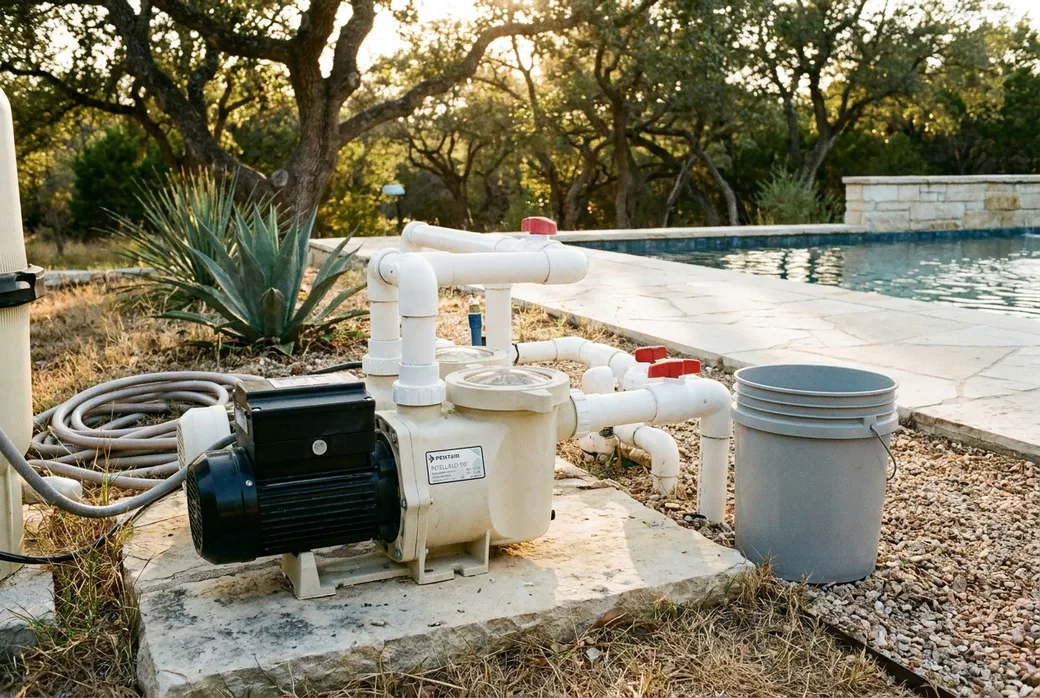
Saving Energy with a Variable-Speed Pump
Here's where real money is saved. A traditional single-speed pump runs full-blast the whole time; a variable-speed pump can run slowly for many hours, moving the same total water while using a fraction of the electricity. Because power draw drops dramatically at lower speeds, running a variable-speed pump longer and slower is both cheaper and better for filtration and circulation. If you're still on a single-speed pump, upgrading is often the single biggest pool energy savings available.
Let Your Water Tell You When
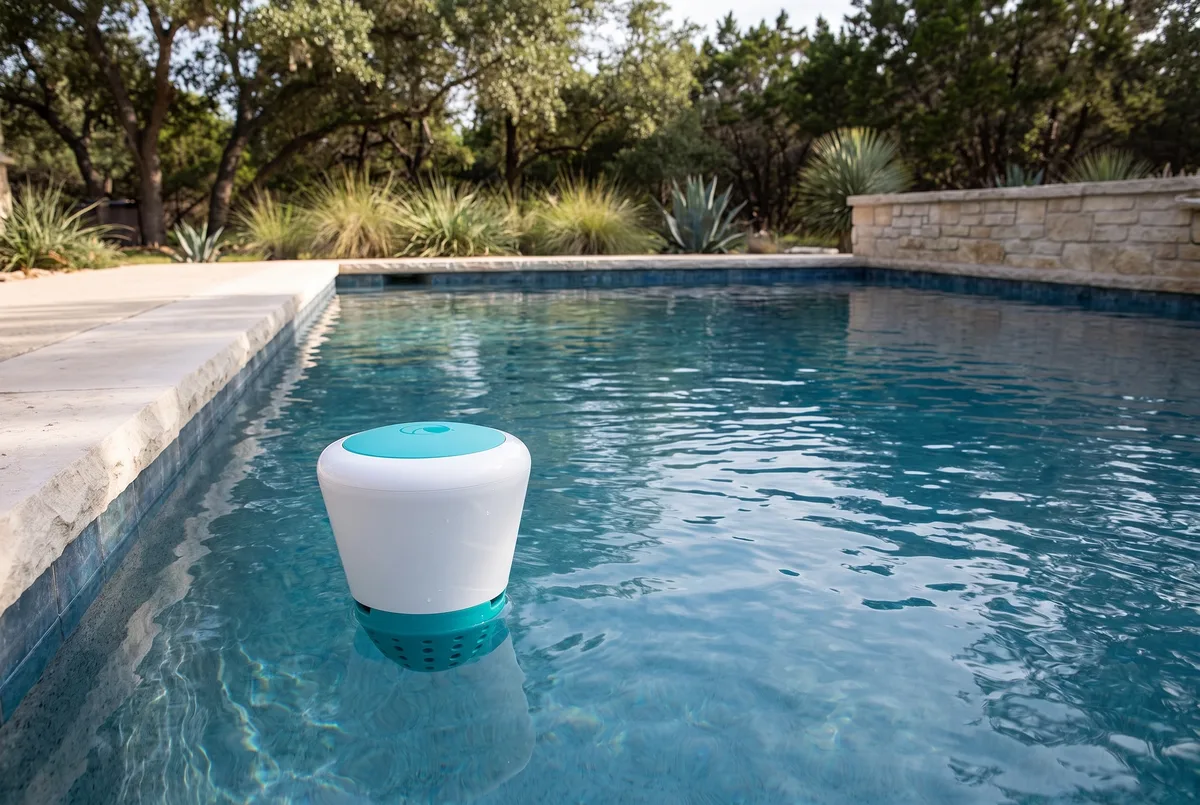
The truth is that "the right run time" isn't a fixed number — it's whatever keeps your water clear, circulated, and sanitized on a given day, which changes with heat and use. Guessing at a fixed schedule either wastes energy on mild days or falls short on brutal ones. When you can actually see your water's condition — sanitizing power, temperature, clarity trends — you can run the pump exactly as much as the pool needs and no more. That's the difference between a timer and an informed schedule.
Pair the right run time with steady chemistry and good filtration and you've got the foundation every other part of pool care is built on. See how it all fits together in our complete water balancing guide.
Make pool maintenance effortless
Our smart water monitors track pH, ORP, and more in real time — and tell you exactly what to add. No guessing, no test strips.
Explore Smart Water Monitors