
Your cart is empty
How to Shock Your Pool: When, Why, and How Much
Shocking is the reset button for pool water — but only if you use the right type, the right dose, and the right timing. Here's how to do it properly.
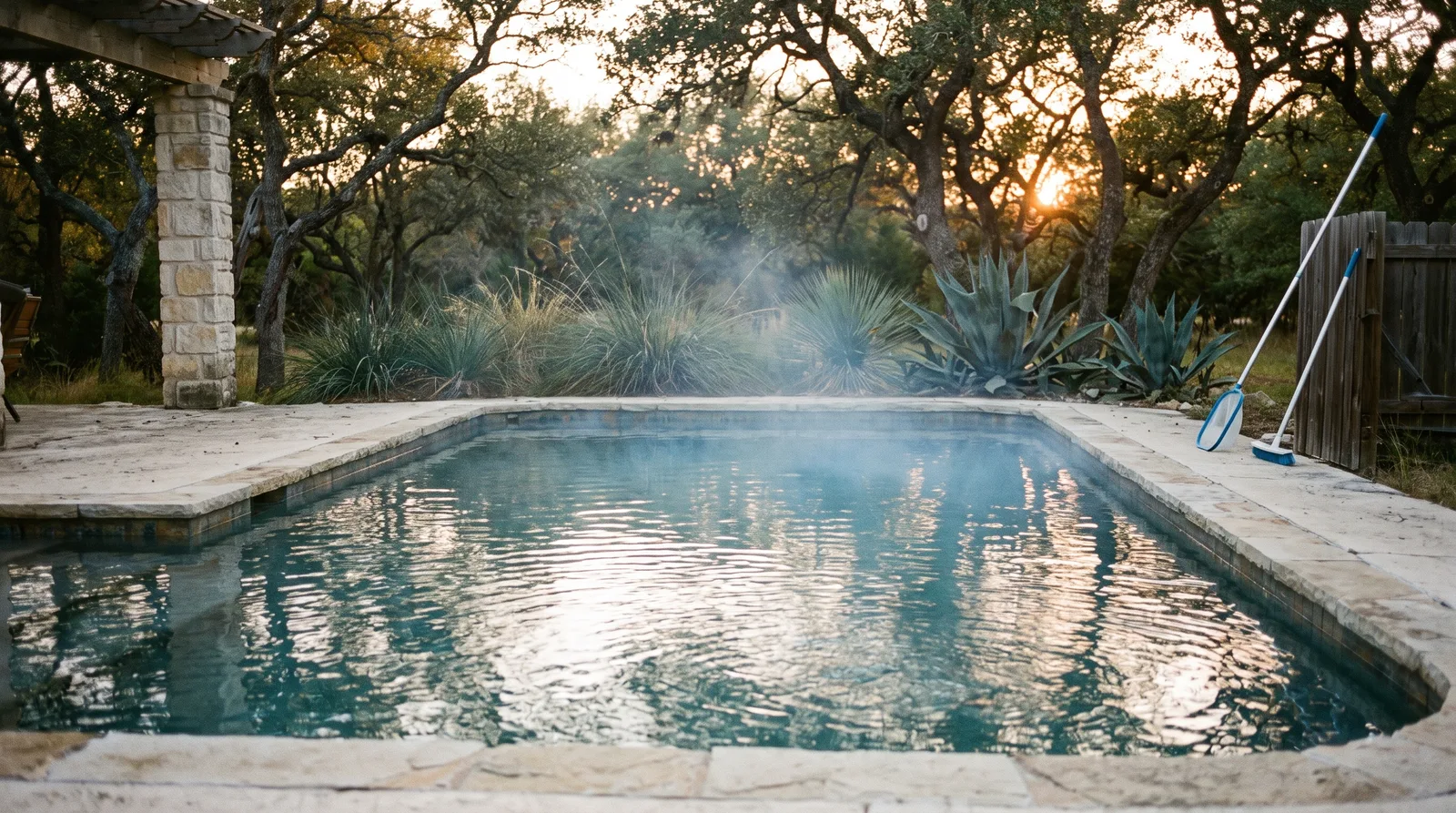
"Shocking" a pool means adding a large dose of oxidizer to rapidly raise sanitizer levels, destroy contaminants, and reset the water. Done right, it clears chloramines, kills algae, and restores that clean, sparkling look. Done wrong — too little, wrong type, or wrong time of day — it wastes money and can even make problems worse. Here's how to shock like you know what you're doing.
What Shocking Actually Does
A normal chlorine level handles day-to-day sanitizing. But contaminants build up faster than that baseline can oxidize — sweat, sunscreen, urine, pollen, and nitrogen compounds accumulate and bind chlorine into weak, irritating chloramines. Shocking blasts free chlorine high enough to oxidize that backlog and break past "breakpoint," destroying chloramines rather than adding to them. It also kills algae and bacteria that a normal level can't keep up with. Think of it as a hard reset that gets your water back to a clean baseline.
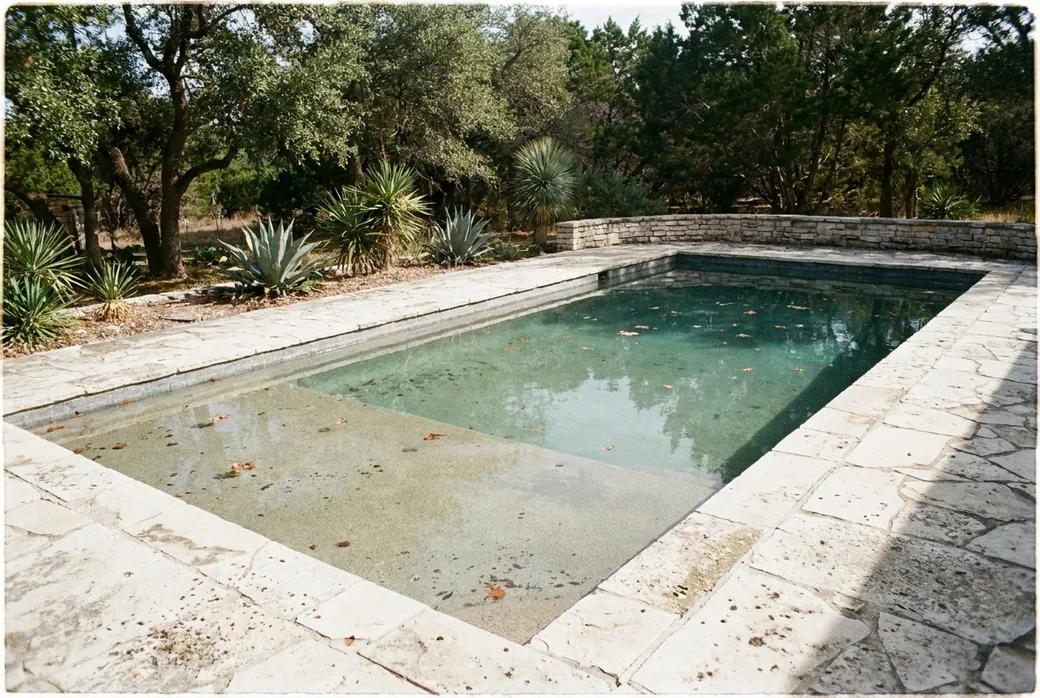
When You Need to Shock
Shock when demand has outrun your everyday sanitizer:
- After heavy use — a pool party or a crowded weekend.
- After a storm or heavy rain — runoff and debris spike demand.
- When combined chlorine climbs (that "chlorine smell") — see free vs combined chlorine.
- At the first sign of algae or cloudy water.
- On opening and closing the pool for the season.
As a routine, many owners shock every 1–2 weeks in peak season, and always after a big event.
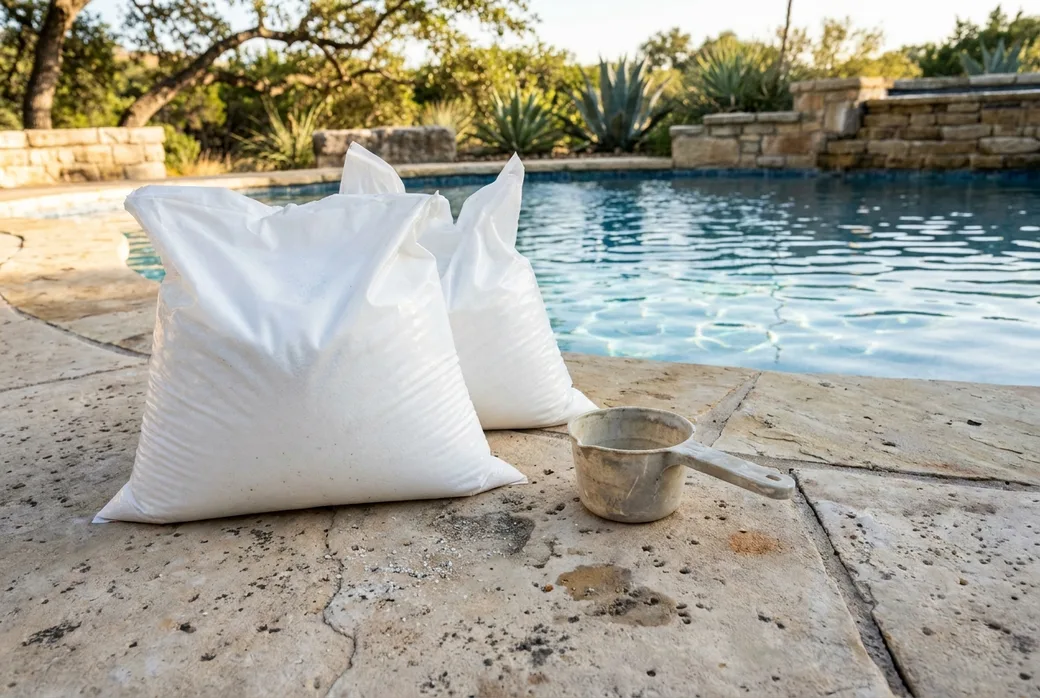
Types of Pool Shock
Not all shock is the same — pick by your situation:
- Cal-hypo (calcium hypochlorite) — strong, inexpensive, fast. Adds a little calcium. The workhorse for algae and heavy oxidation.
- Dichlor — stabilized (adds cyanuric acid). Convenient, but repeated use drives CYA up over time.
- Liquid chlorine (sodium hypochlorite) — no calcium or CYA added, easy to pour, great for regular shocking. Loses strength in storage.
- Non-chlorine shock (MPS) — oxidizes contaminants without adding chlorine; good for a quick refresh but doesn't kill algae.
For most routine shocking, liquid chlorine or cal-hypo is the go-to. Avoid leaning on dichlor if your CYA is already high.
How to Shock Your Pool Step by Step
- Test first — know your free and combined chlorine and your pH.
- Shock at dusk or after dark — sunlight burns off chlorine before it can work, so evening dosing is far more effective.
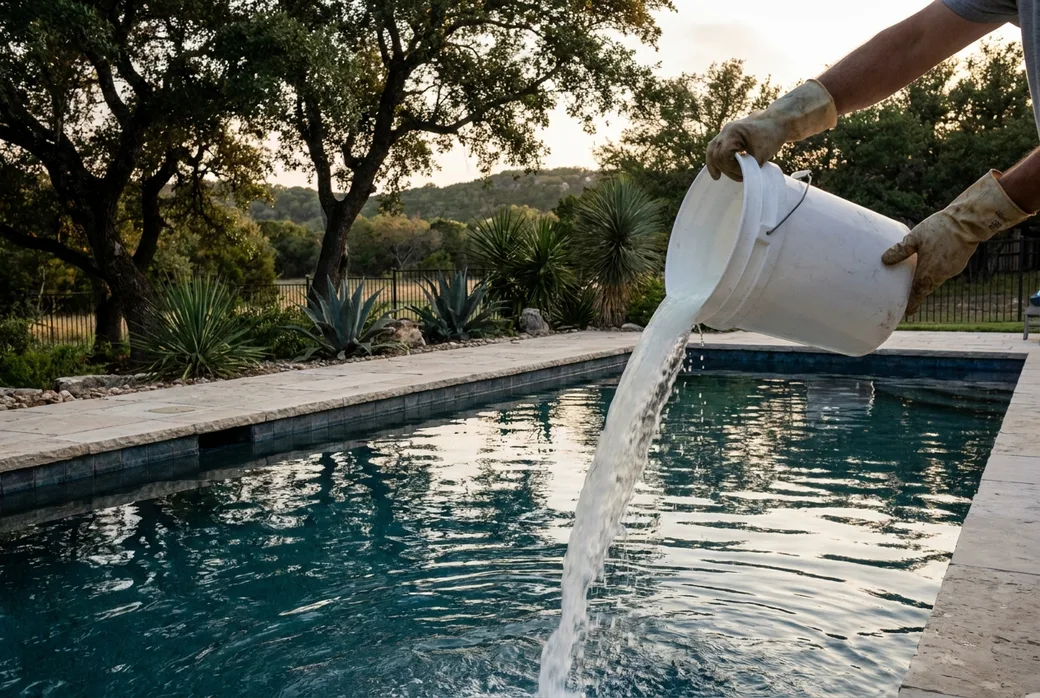
- Pre-dissolve granular shock in a bucket of pool water (or use liquid), then pour it around the pool over the returns with the pump running.
- Dose enough to reach breakpoint — for chloramines, aim for about 10x the combined chlorine; for algae, go higher.
- Run the pump for several hours (or overnight) to circulate.
- Wait to re-enter until free chlorine falls back to a safe swimming level.
Common Shocking Mistakes
A few errors turn a simple shock into a headache:
- Dosing too little. Under-shocking chloramines makes the smell and irritation worse instead of clearing it.
- Shocking in full sun. Midday UV destroys the chlorine before it works.
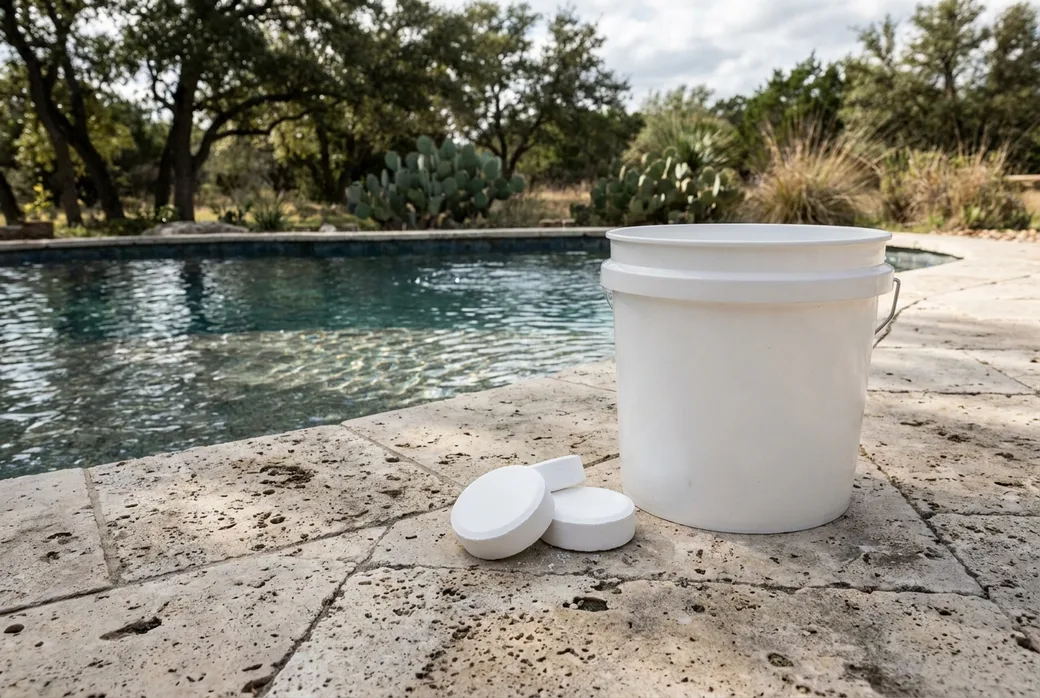
- Mixing shock types together or adding directly without dissolving — this can bleach liners and stain plaster.
- Pouring shock into the skimmer with tablets present — dangerous gas can form. Always add to the pool, not the skimmer.
- Shocking blindly. Without testing, you're guessing at dose and timing.
Shock Less by Monitoring More
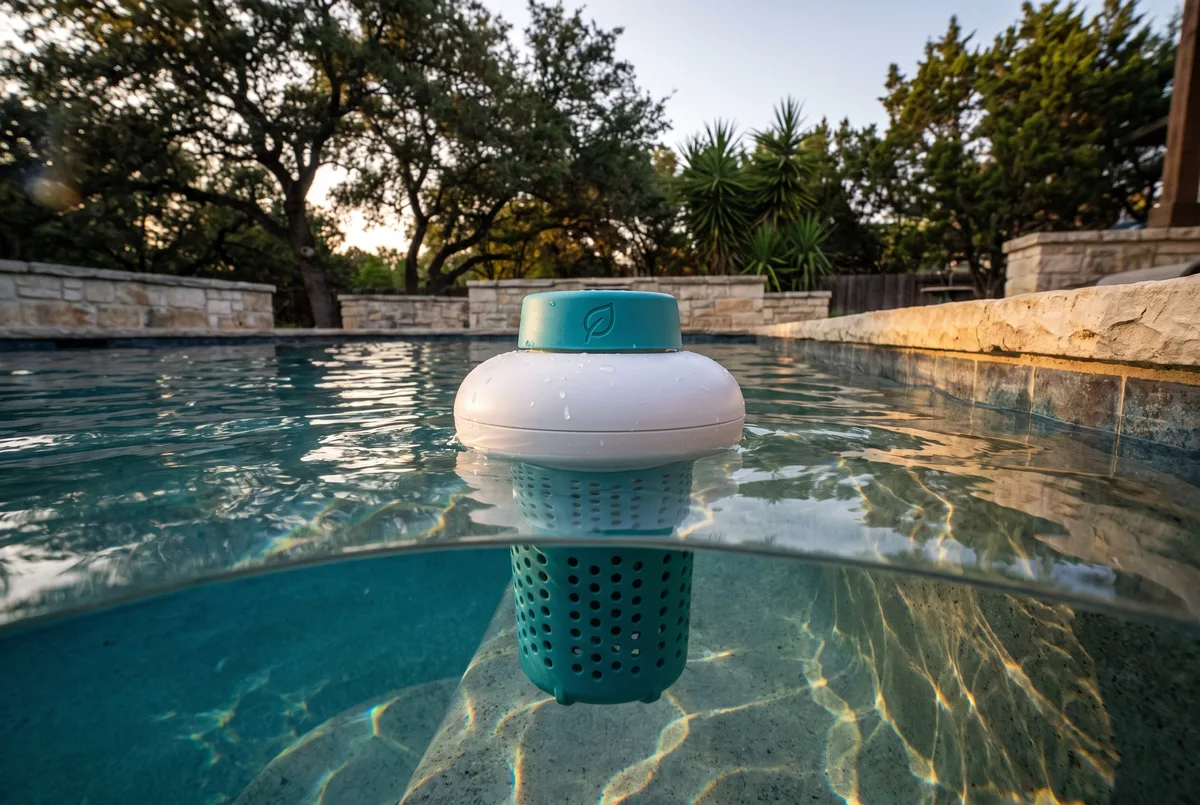
Here's the secret the busiest pool owners learn: the goal isn't to shock more skillfully — it's to shock less often by never letting the water fall far enough behind to need rescuing. Most emergency shocks happen because sanitizer quietly dropped during a hot, unwatched stretch. Continuous monitoring catches that slide early, so a small, timely adjustment replaces a big weekend recovery. Shock becomes an occasional tool instead of a constant chore.
Make pool maintenance effortless
Our smart water monitors track pH, ORP, and more in real time — and tell you exactly what to add. No guessing, no test strips.
Explore Smart Water Monitors