
Your cart is empty
What Is ORP in a Pool? (And Why It Matters More Than Your Chlorine Number)
You can have plenty of chlorine and still have unsafe water. ORP is the one reading that tells you whether your sanitizer is actually working — and it's the number smart monitors watch most closely.
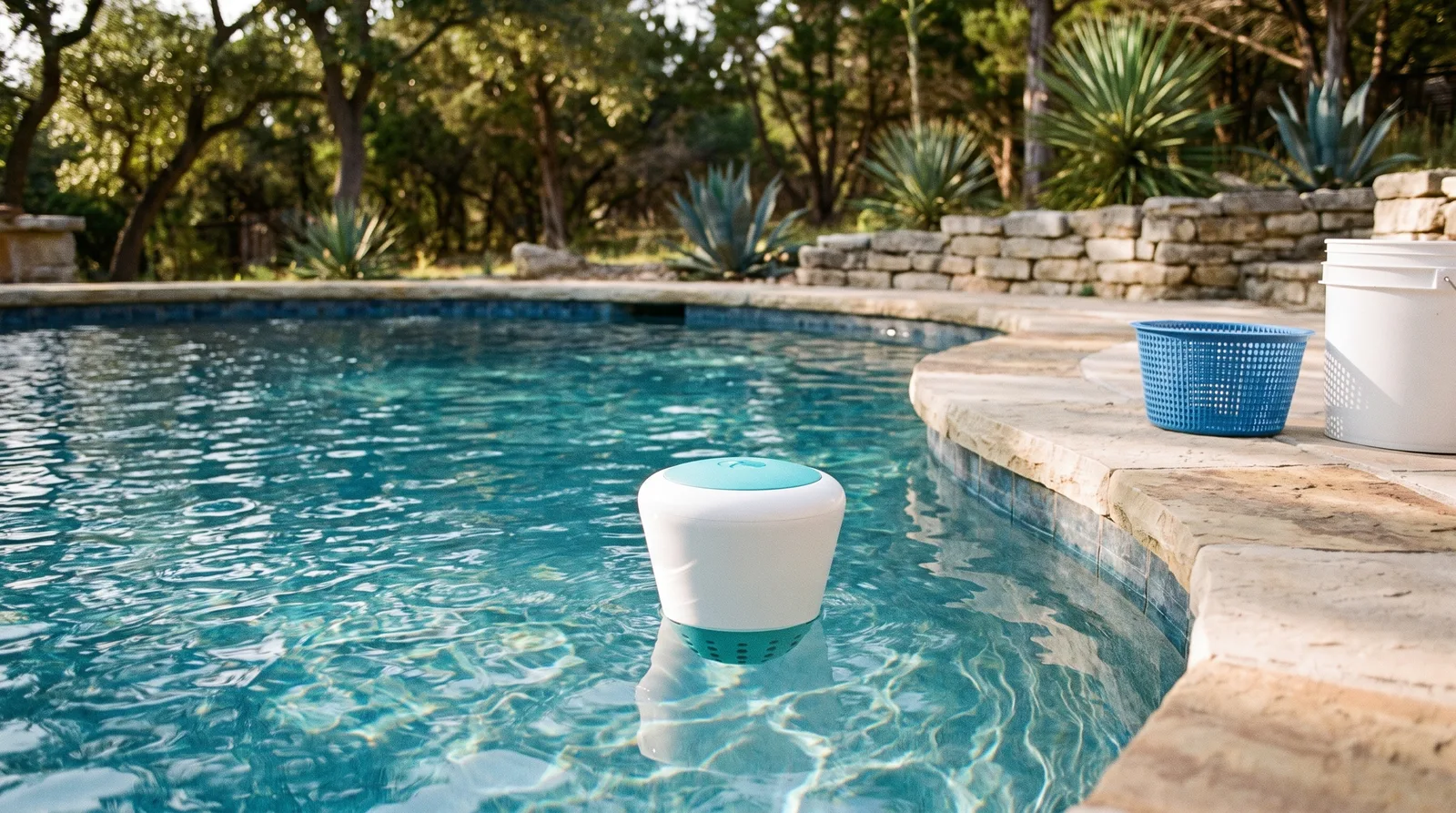
Most pool owners live and die by one number: free chlorine. But chlorine concentration only tells you how much sanitizer is in the water — not whether it's actually killing anything. That's where ORP comes in.
ORP, short for oxidation-reduction potential (also called redox), measures the water's real-world ability to destroy contaminants. It's the metric professional operators, health departments, and every serious automated system rely on — because it reflects sanitizing power, not just sanitizer quantity. Once you understand ORP, a lot of frustrating pool problems suddenly make sense.
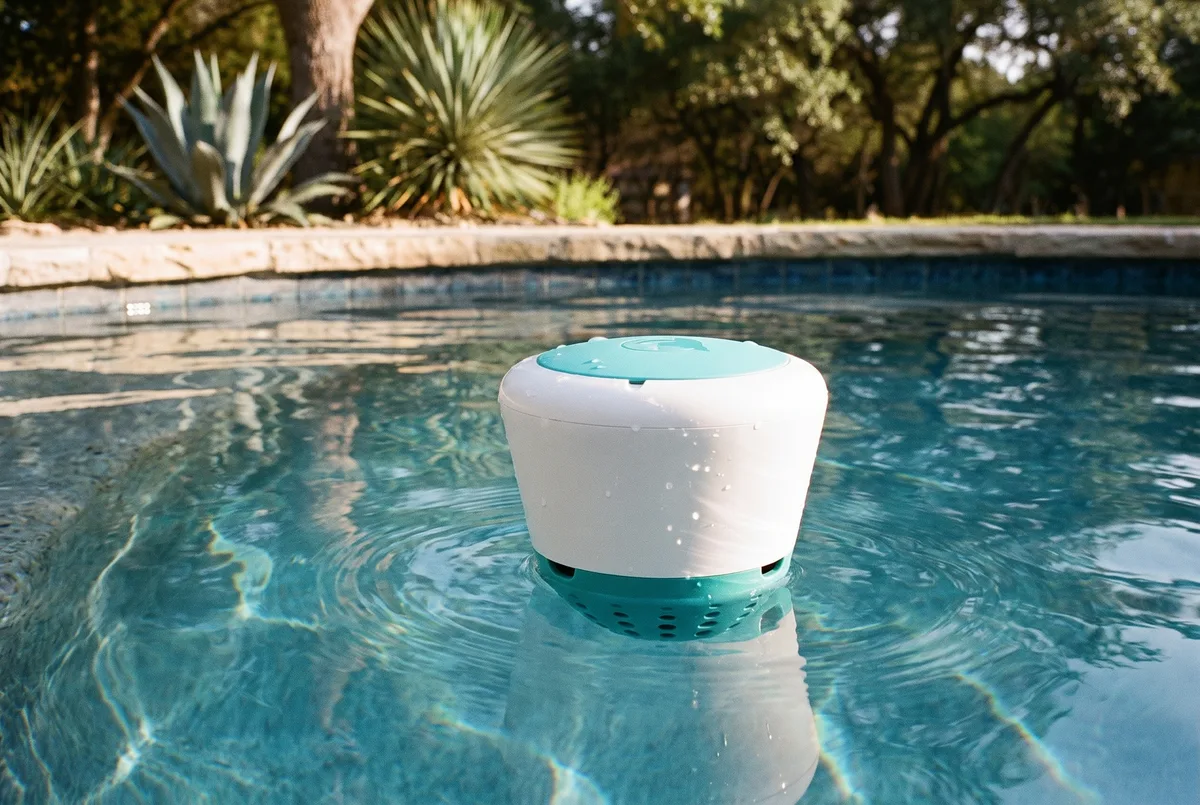
What ORP Actually Measures
ORP is an electrical measurement, expressed in millivolts (mV), of how strongly your water wants to oxidize (destroy) contaminants versus reduce (accept electrons). A higher positive ORP means water that aggressively breaks down bacteria, viruses, algae, sweat, and organic gunk.
Think of chlorine level as how many workers you hired and ORP as how much work is actually getting done. You can hire 100 workers (high chlorine) who are all asleep (low ORP) because the water is too acidic, over-stabilized, or loaded with organic debris. ORP cuts through the guesswork and reports the bottom line: is this water sanitizing right now, or not?
The World Health Organization considers water with an ORP of 650 mV or higher to be effectively sanitized — bacteria like E. coli die within seconds at that level.

The Ideal ORP Range for a Pool
For residential swimming pools, the target is:
| ORP reading | What it means |
|---|---|
| Below 650 mV | Weak sanitizing power — raise it before anyone swims |
| 650–750 mV | The sweet spot — safe, comfortable, efficient |
| 750–850 mV | Strong sanitizing, common on ORP-controlled systems |
| Above 850 mV | Overly aggressive — hard on equipment, swimsuits, and skin |
Aim to keep ORP in the 650–750 mV band. Below 650, sanitization slows dramatically. Above 800 for long stretches, you're wasting chemical and accelerating wear on liners, seals, and metal.
Key insight: ORP and free chlorine are related but not interchangeable. Two pools can both read 3 ppm free chlorine yet have wildly different ORP values depending on pH, cyanuric acid, and organic load.
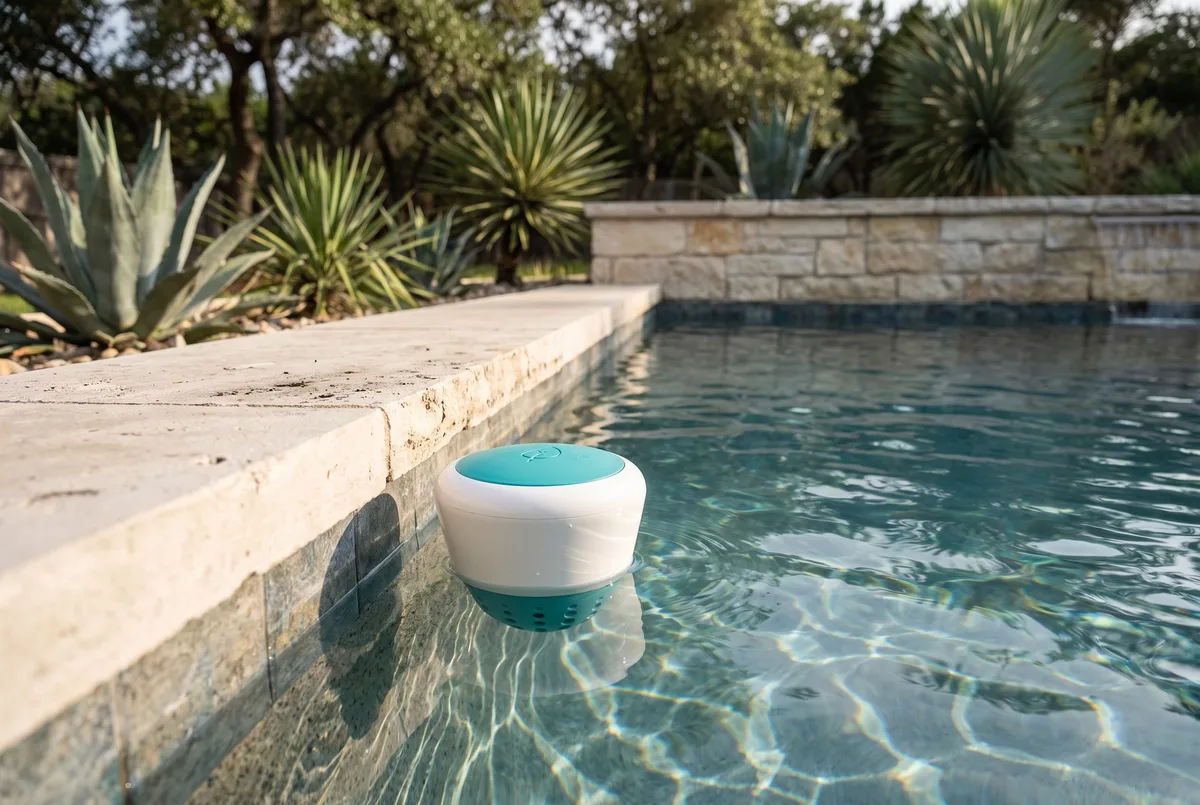
Why ORP Matters More Than Chlorine Alone
Here's the part that trips people up. The same amount of chlorine can be highly effective or nearly useless depending on the water around it:
- pH crushes chlorine's power. At pH 7.2, most of your chlorine is the active, high-ORP form. At pH 8.0, that same chlorine is mostly the sluggish, low-ORP form — so ORP drops even though the chlorine number didn't move.
- Cyanuric acid (stabilizer) locks chlorine up. Too much CYA protects chlorine from sunlight but also throttles its oxidizing strength, pulling ORP down.
- Bather load and debris eat oxidizing capacity. Sweat, sunscreen, leaves, and pollen consume oxidation potential faster than a test strip reveals.
This is why you can "shock the pool," see 5 ppm chlorine on a strip, and still have cloudy, algae-prone water. The chlorine is there; the oxidizing power isn't. ORP catches that gap immediately — a test strip never will.
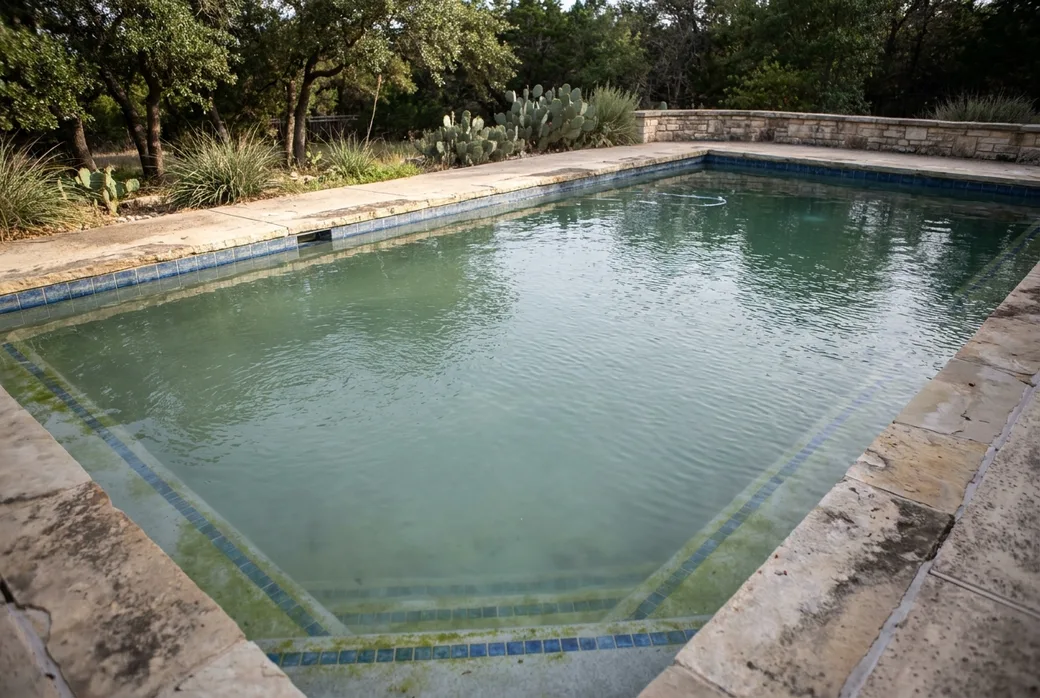
What Causes Low ORP (and How to Fix It)
If your ORP is sitting below 650 mV, run through this checklist in order:
- Check pH first. Lower pH toward 7.4 and ORP usually jumps. This is the single biggest lever — see our guide on how to lower pool pH.
- Test cyanuric acid. If CYA is above ~50 ppm (or above 30 for a chlorine pool), your chlorine is over-stabilized. Dilute with fresh water to bring it down.
- Add sanitizer. Only after pH and CYA are in range does adding chlorine reliably raise ORP.
- Shock away the organic load. A heavy bather day, storm, or algae bloom consumes oxidizing capacity. A proper shock resets it.
- Run the pump longer. ORP readings are only meaningful with circulating water; stagnant water reads low and unevenly.
Chase these in sequence. Dumping in more chlorine while pH is 8.0 is the classic mistake — it barely moves ORP and wastes product.
ORP in Salt Water Pools
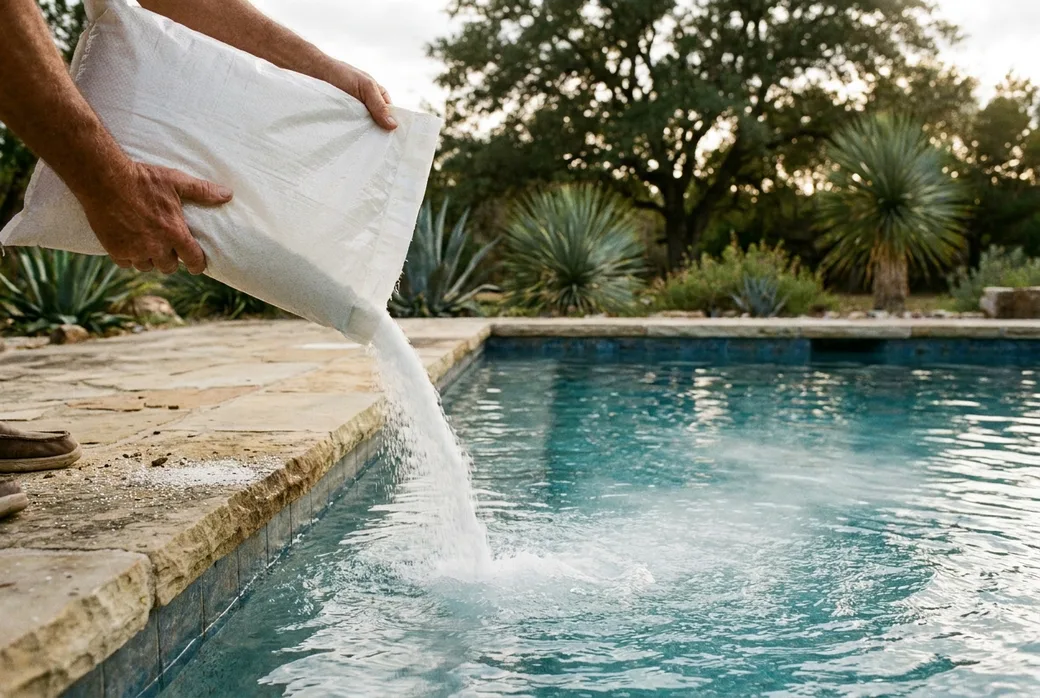
Salt pools don't escape ORP — they depend on it. A salt chlorine generator makes chlorine on demand, but it has no idea whether the water is actually sanitized. Pair it with an ORP reading and you can tell whether your generator's output percentage is truly keeping up with demand, especially on hot, high-use days. Many automated salt systems use ORP as the control signal to decide when to make more chlorine. If you run salt, use the salt-specific ORP sensor so calibration matches your water.
How to Measure ORP
You have three options, in ascending order of reliability:
- Test strips with an "active" or ORP pad — cheap but crude, and most strips don't measure ORP directly at all (they estimate from chlorine).
- Handheld ORP meter — a dedicated probe gives a real millivolt reading; accurate but manual, and probes need periodic calibration.
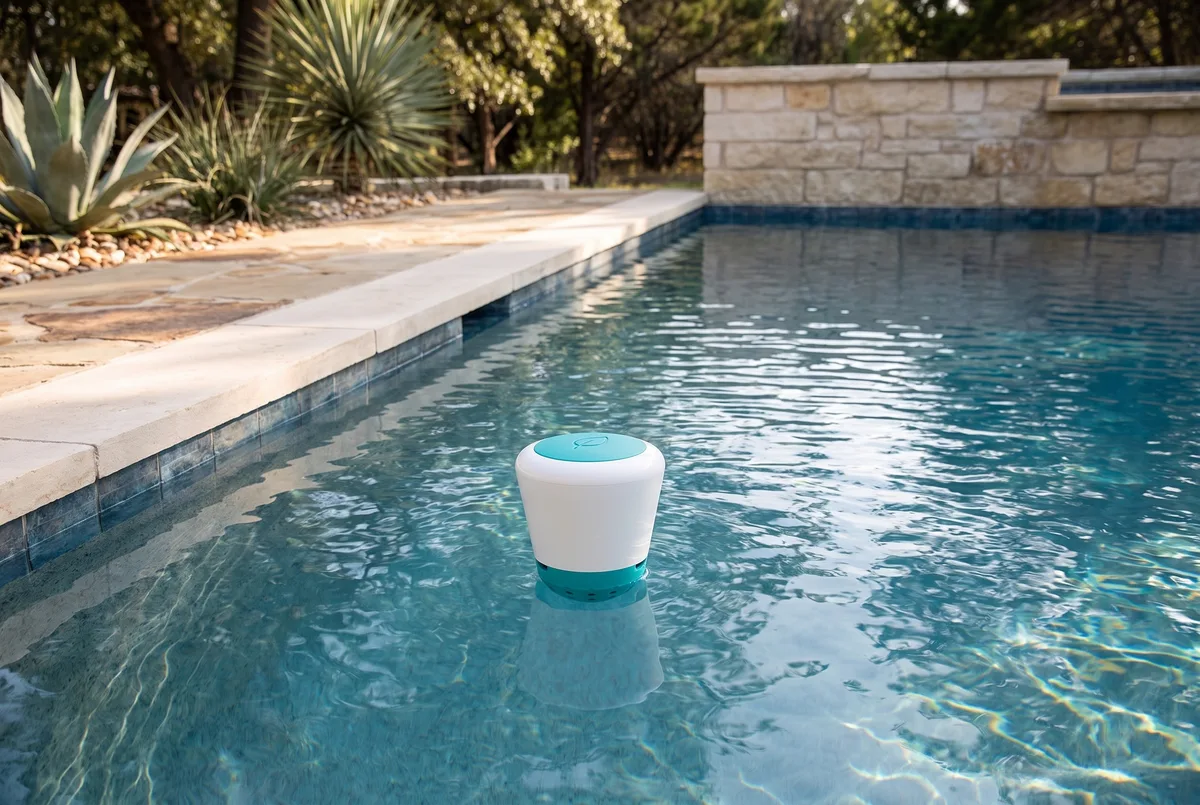
- Continuous smart monitor — a floating or inline sensor reads ORP every hour and trends it over time, so you see sanitizing power drifting before it becomes a problem.
ORP is a reading that rewards continuity. A single spot check tells you this moment; a trend line tells you your water is slowly losing its edge after three hot days of heavy use — while there's still time to act.
Common ORP Mistakes to Avoid
- Judging safety by chlorine alone. 3 ppm at pH 8.0 is not the same water as 3 ppm at pH 7.4.
- Ignoring cyanuric acid. Over-stabilized pools chronically read low ORP no matter how much chlorine you add.
- Chasing an 800+ mV number. Higher isn't better past ~750 mV — it just wears out equipment and irritates swimmers.
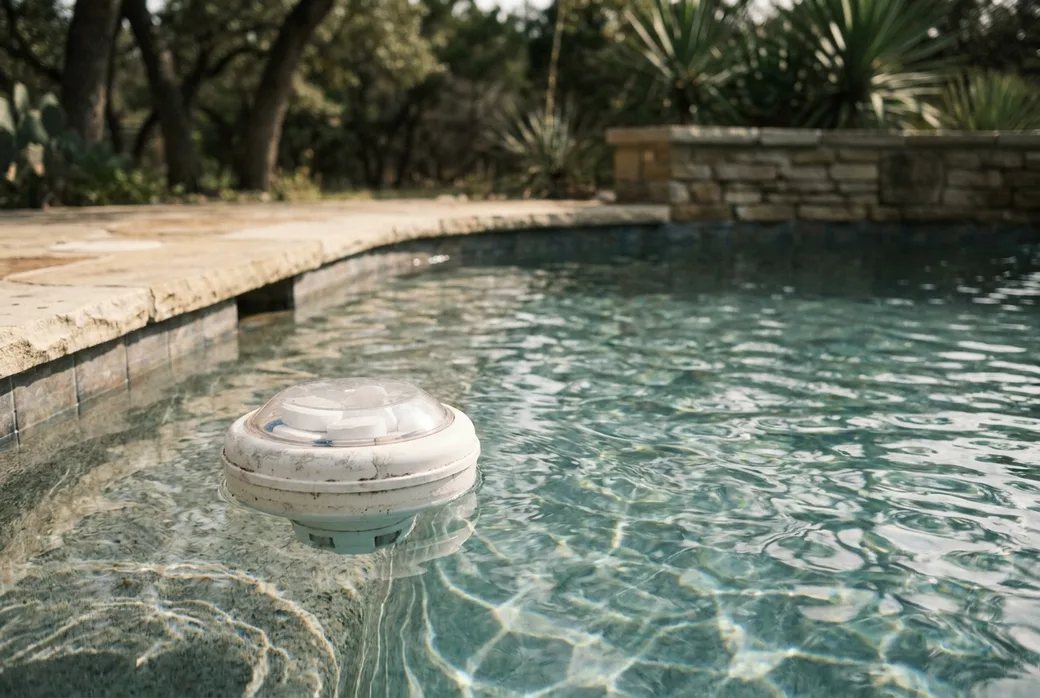
- Trusting a probe you never calibrate. ORP sensors drift; recalibrate (or use a self-calibrating smart system) to keep readings honest.
- Reading ORP in stagnant water. Always measure with the pump running and water moving past the sensor.

The Bottom Line on ORP
Free chlorine tells you what you added. ORP tells you what's actually happening. If you only track one thing to know whether your pool is safe to swim in right now, ORP is the smarter number — and it's exactly the kind of reading that's tedious to check by hand but effortless when a smart monitor watches it for you around the clock.
Make pool maintenance effortless
Our smart water monitors track pH, ORP, and more in real time — and tell you exactly what to add. No guessing, no test strips.
Explore Smart Water Monitors