
Your cart is empty
Why Is My Pool Cloudy? Causes and How to Fix It Fast
Cloudy water isn't just ugly — it's your pool telling you something is off. Here's how to read the message and clear it up fast.
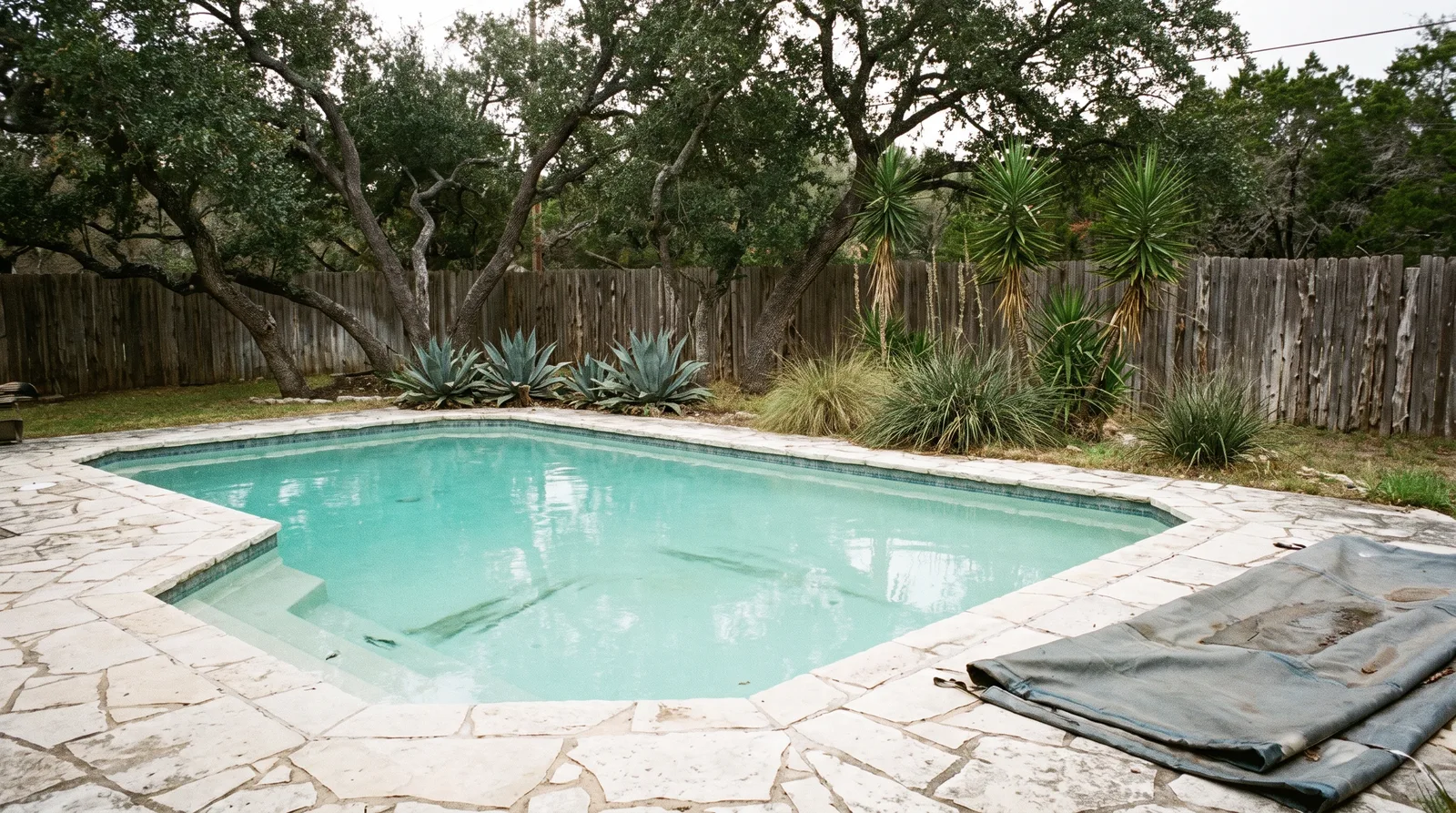
Cloudy water is the most common pool complaint there is — and unlike a green algae bloom, it's often subtle enough to sneak up on you. One day the bottom looks a little soft; the next, you can't see the main drain. The cause almost always falls into one of three buckets: chemistry, circulation/filtration, or sanitizer. Diagnose which one and the fix is usually quick.
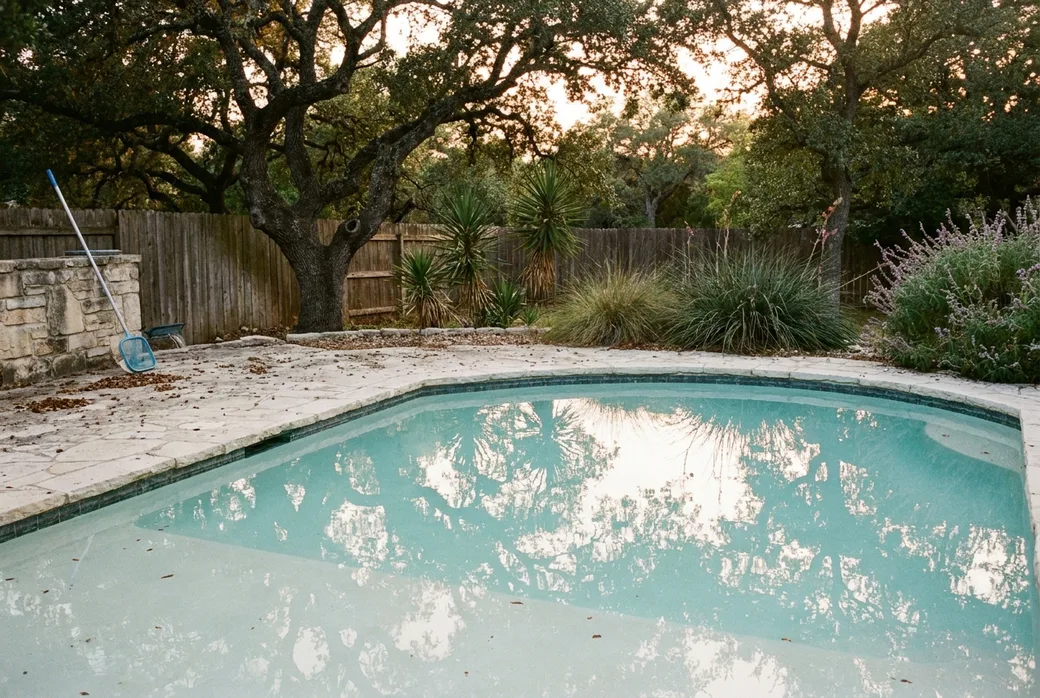
What Cloudy Water Is Telling You
Clear water is a sign that everything — balance, filtration, and sanitizer — is working together. Cloudiness means one of those legs is wobbling. The haze is made of tiny suspended particles: precipitated minerals, dead microorganisms, fine debris, or unfiltered oils. Your job is to figure out why those particles are there and not being removed. Don't just pour in "clarifier" and hope — that treats the symptom while the real cause keeps producing haze.
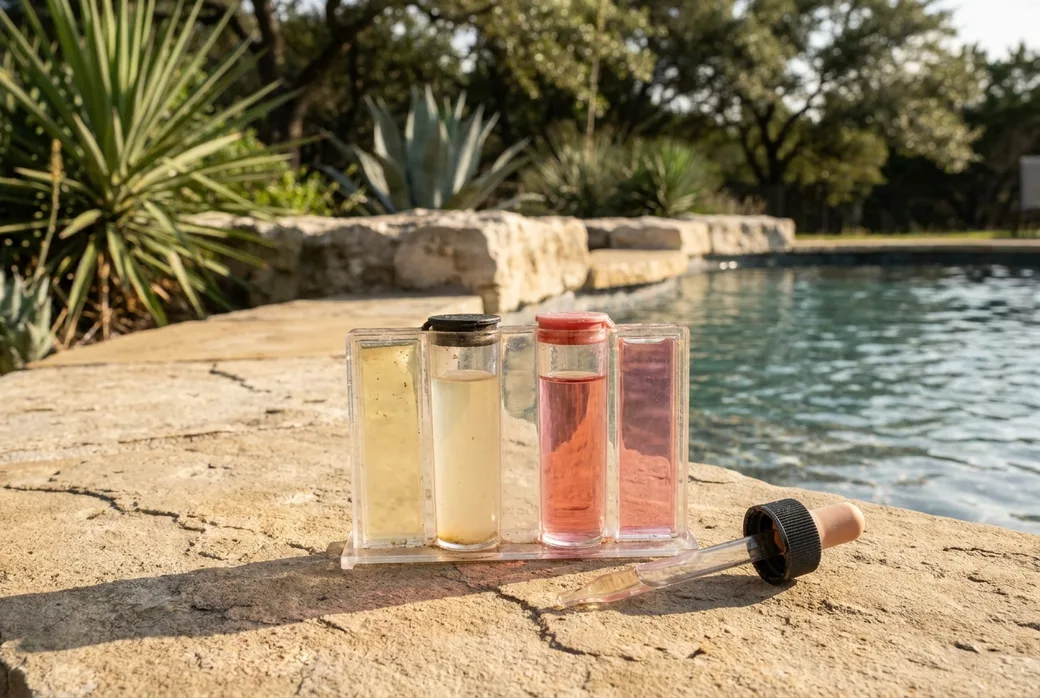
Cause 1: Out-of-Balance Chemistry
The most frequent culprit. When pH, alkalinity, or calcium hardness drift out of range, minerals fall out of solution and cloud the water:
- High pH or high alkalinity causes calcium to precipitate into a fine haze.
- High calcium hardness does the same, especially in warm water.
- Wrong balance also makes chlorine less effective, compounding the problem.
Test first, then correct pH to 7.4–7.6 and alkalinity to 80–120 ppm. See our water balancing guide for the right order to adjust things.
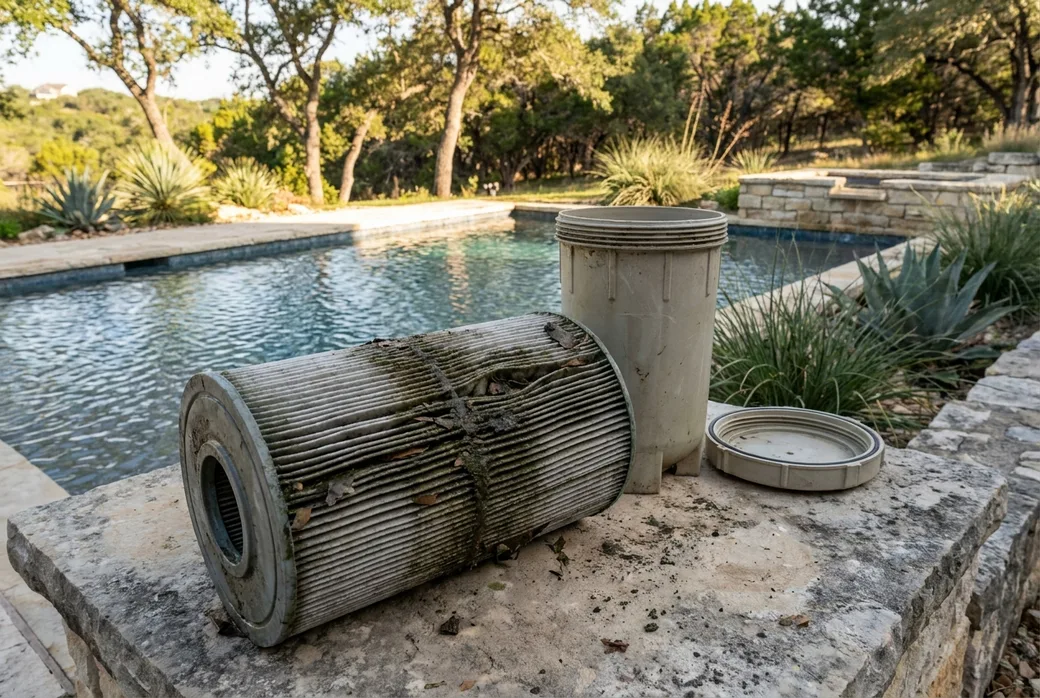
Cause 2: Weak Filtration or Circulation
Your filter is what physically removes the particles that cause cloudiness. If it can't keep up, the haze lingers no matter how good your chemistry is:
- Dirty or worn filter — a clogged cartridge or sand that needs backwashing loses efficiency fast.
- Too little run time — the pump isn't cycling all the water enough times per day.
- Dead spots — poor return-jet aim leaves stagnant zones where particles settle.
Clean or backwash the filter, and make sure you're running the pump long enough — usually 8–12 hours a day.
Cause 3: Low Sanitizer or High Demand
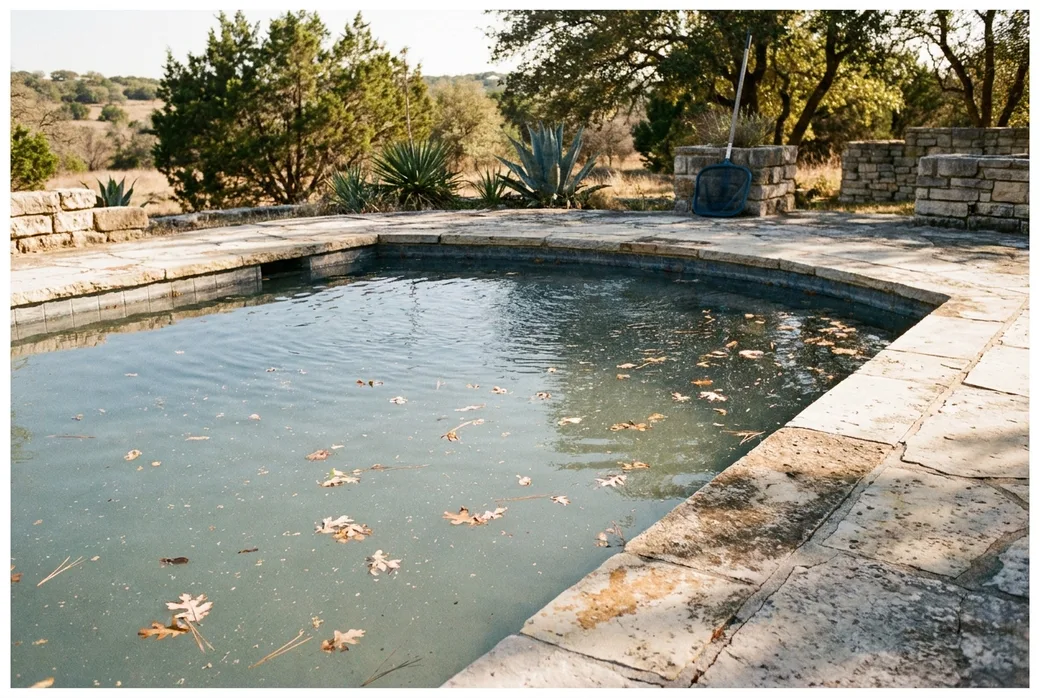
When sanitizer falls behind — after a pool party, a rainstorm, or a heat wave — microorganisms and organic debris multiply faster than they're destroyed, and the water goes dull and hazy just before it would turn green. A chlorine reading can even look "okay" on a strip while real sanitizing power (ORP) has quietly collapsed. If your water is cloudy and you've had heavy use or weather, shock the pool and confirm sanitizer is truly holding. Our ORP guide explains why the chlorine number alone can mislead you here.

How to Clear a Cloudy Pool Fast
Once you know the cause, clearing it is straightforward:
- Balance the water — fix pH, alkalinity, and calcium first.
- Shock if sanitizer is low — restore killing power and oxidize the organic load.
- Run the filter 24/7 until clear, cleaning/backwashing as needed.
- Brush and vacuum settled particles off the floor.
- Use a clarifier or flocculant only as a booster — it clumps fine particles so the filter can grab them, but it won't fix the underlying cause.
Most cloudy pools clear within 24–48 hours once the real problem is addressed and the filter is running hard.
How to Keep Your Water Crystal Clear
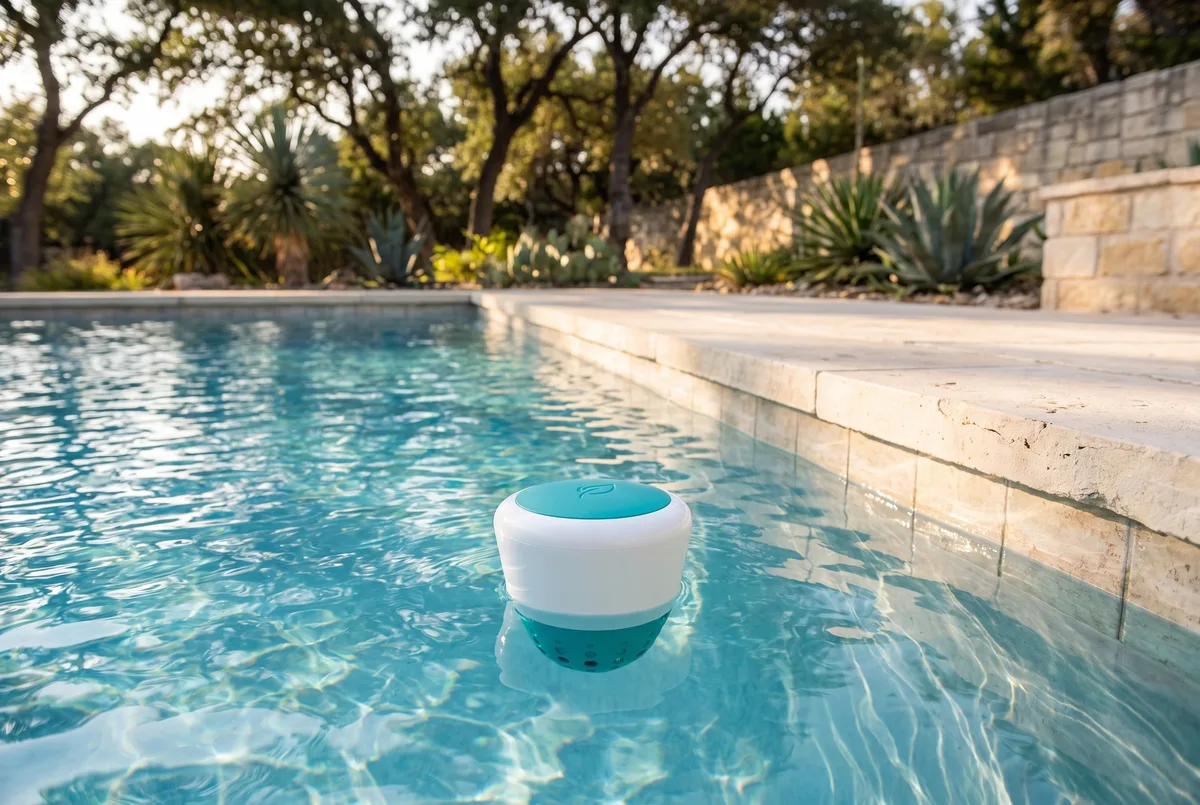
Clarity is the natural result of a pool where balance, filtration, and sanitizer all stay in range. The pools that stay clear year-round aren't the ones with the most chemicals — they're the ones where drift gets caught early:
- Keep sanitizer steady so demand never outruns it.
- Maintain balance — stable pH, alkalinity, and calcium prevent mineral haze.
- Filter and circulate enough hours each day.
- Watch the trends. Cloudiness starts as a small drift days before you can see it.
Make pool maintenance effortless
Our smart water monitors track pH, ORP, and more in real time — and tell you exactly what to add. No guessing, no test strips.
Explore Smart Water Monitors