
Your cart is empty
What Does an ICO Smart Pool Monitor Track? (The Complete Guide)
A floating sensor the size of a soda can reads your water every hour, learns your pool, and tells you exactly what to add. Here's everything the ICO tracks — and why it matters.
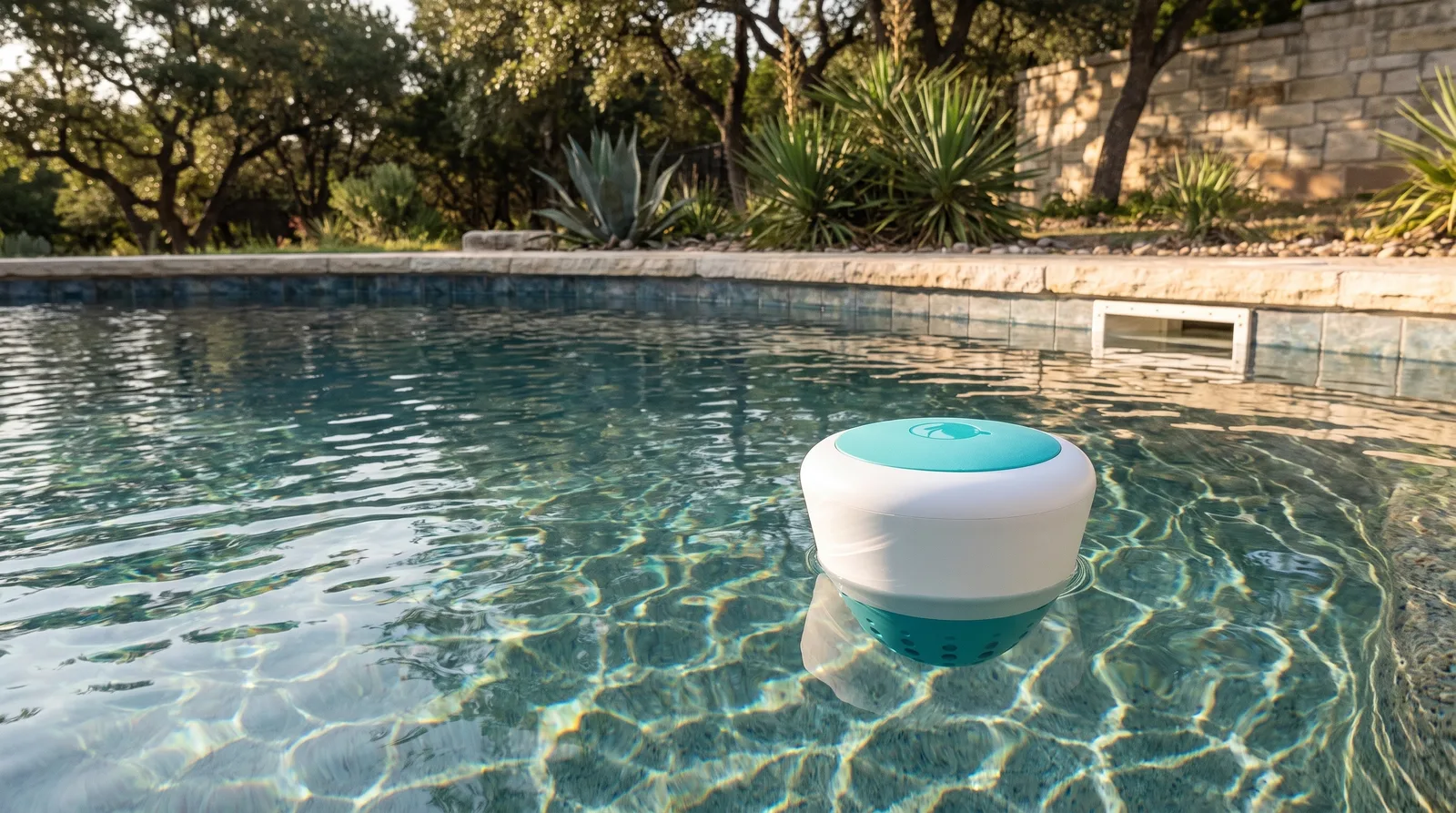
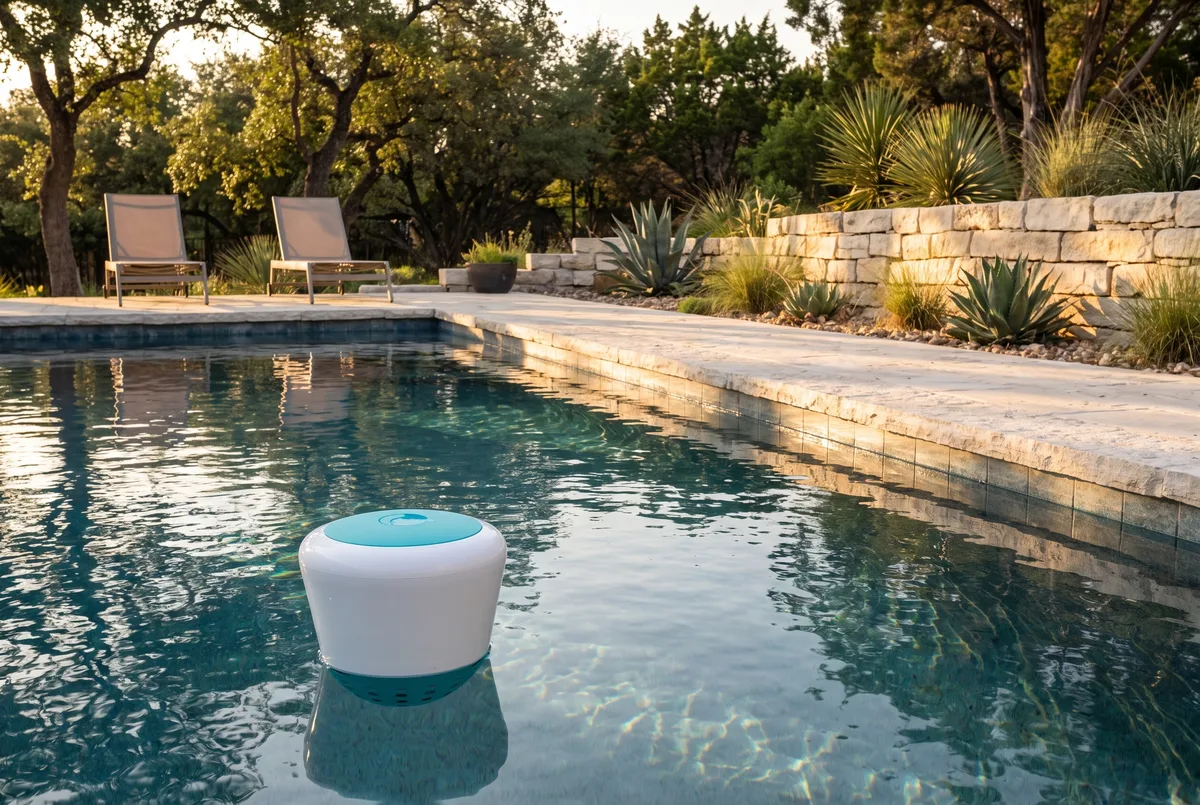
Test strips give you a snapshot. A smart monitor gives you the whole movie. The ICO is a connected, solar/rechargeable water monitor that floats in your pool, measures the water automatically around the clock, and sends readings — plus plain-language treatment steps — straight to your phone.
Instead of remembering to test, interpreting color charts, and guessing at doses, you glance at an app that already knows what your water needs. This guide covers exactly what the ICO measures, what each reading tells you, and how the pieces fit together into a pool that mostly takes care of itself.
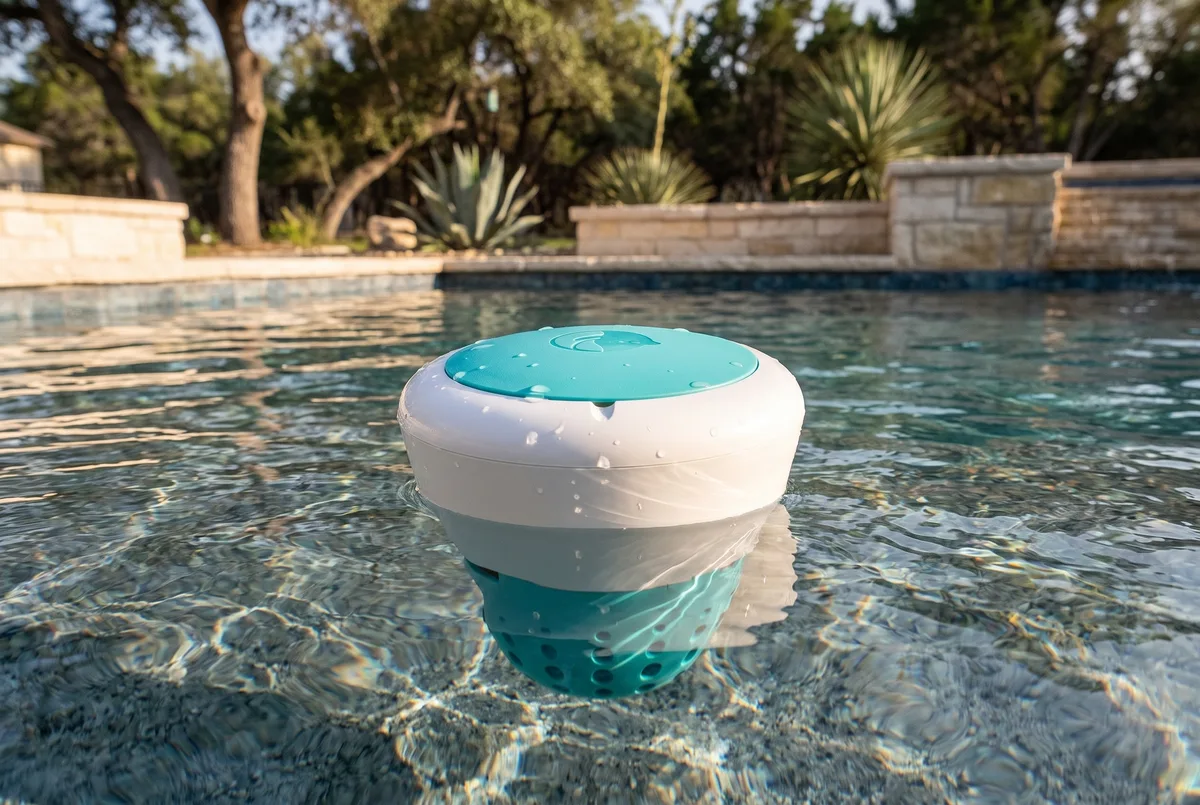
The Four Core Readings ICO Tracks
ICO continuously measures the four numbers that actually determine whether your water is safe, comfortable, and balanced:
- Temperature — comfort, plus the hidden driver behind chemical demand and evaporation.
- pH — how acidic or basic the water is; controls comfort and chlorine effectiveness.
- ORP (redox) — the true measure of sanitizing power, not just how much chlorine you added.
- TDS / salinity — the total dissolved load, including salt in salt-water pools.
Together these four cover the vital signs of pool chemistry. Each one is a full topic on its own — and each is a reading the ICO watches so you don't have to. Let's walk through them.

Temperature: More Than Comfort
Water temperature is the reading everyone understands — but it drives far more than whether the pool feels nice. Warmer water accelerates chlorine consumption, speeds up algae growth, increases evaporation (which concentrates your total dissolved solids), and raises the rate of pH change. A hot spell isn't just a comfort event — it's a chemistry event. ICO logs temperature continuously so the app can factor it into recommendations and so you can see, at a glance, whether today is a day your water will demand more attention.

pH: The Comfort and Efficiency Dial
pH sits at the center of pool chemistry. The target is 7.4–7.6 — comfortable for swimmers and the range where chlorine works most efficiently. Drift too low and water turns corrosive, eating heaters and liners. Drift too high and chlorine goes sluggish while scale forms. Because pH moves daily — with rain, sunlight, bather load, and sanitizer type — it's the reading that benefits most from continuous tracking. ICO trends pH hour by hour and warns you before it leaves the safe band. Master both directions with our guides on raising pH and lowering pH.

ORP: The Reading That Tells You It's Actually Working
Here's where ICO goes beyond a basic tester. ORP (oxidation-reduction potential) measures your water's real sanitizing power — whether contaminants are actually being destroyed — rather than just how much chlorine is present. You can have "enough" chlorine on a strip and still have unsafe water if pH is off or stabilizer is too high. ORP catches that gap instantly. Keeping ORP in the 650–750 mV range means water that's genuinely safe to swim in. It's the single smartest number to watch, and ICO watches it every hour. Dive deeper in our complete guide to ORP.

TDS & Salinity: The Slow-Burning Background Number
Every chemical you add and every gallon of hard fill water raises your total dissolved solids. It climbs slowly all season, and once it's high enough, chemicals lose efficiency and water turns dull — the classic "I'm doing everything right but the water won't behave" problem. For salt-water pools, this same sensor tracks your salinity, so you know your generator has the salt it needs to keep making chlorine. ICO trends TDS/salinity over weeks and months, making it obvious when a partial drain-and-refill is finally due. See our TDS explainer for the full story.
From Raw Readings to Real Advice
Numbers alone don't clean a pool — knowing what to do with them does. This is where ICO earns its keep:
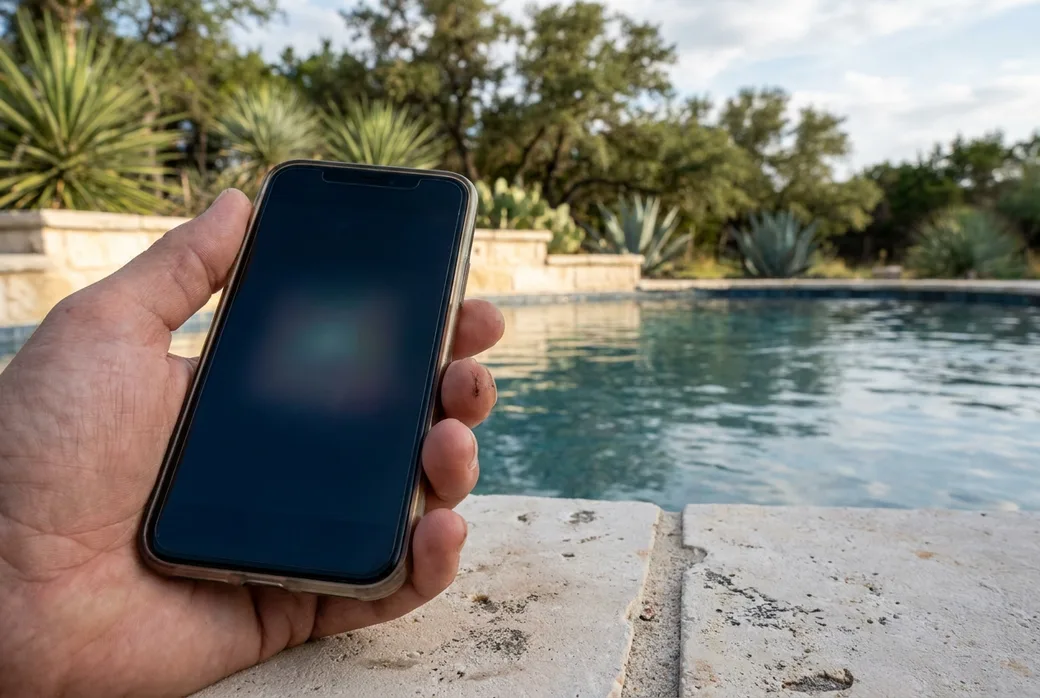
- AI-driven recommendations. ICO translates its readings into specific, plain-language steps: what to add, how much, and when.
- Instant alerts. Get notified before a problem becomes visible — pH drifting, sanitizing power dropping, temperature spiking.
- Historical trends. See how your water behaves over days, weeks, and seasons, so you can optimize chemical use instead of reacting.
- Weather-aware guidance. Because rain and heat move your chemistry, factoring the forecast makes the advice smarter.
- Long battery life. Rechargeable and built to run for months between charges, so monitoring never stops.
The result is a shift from reactive pool care (test, panic, dump chemicals, repeat) to proactive pool care (nudge things early, add less, swim more).
Keep ICO Accurate: Sensors & Kits
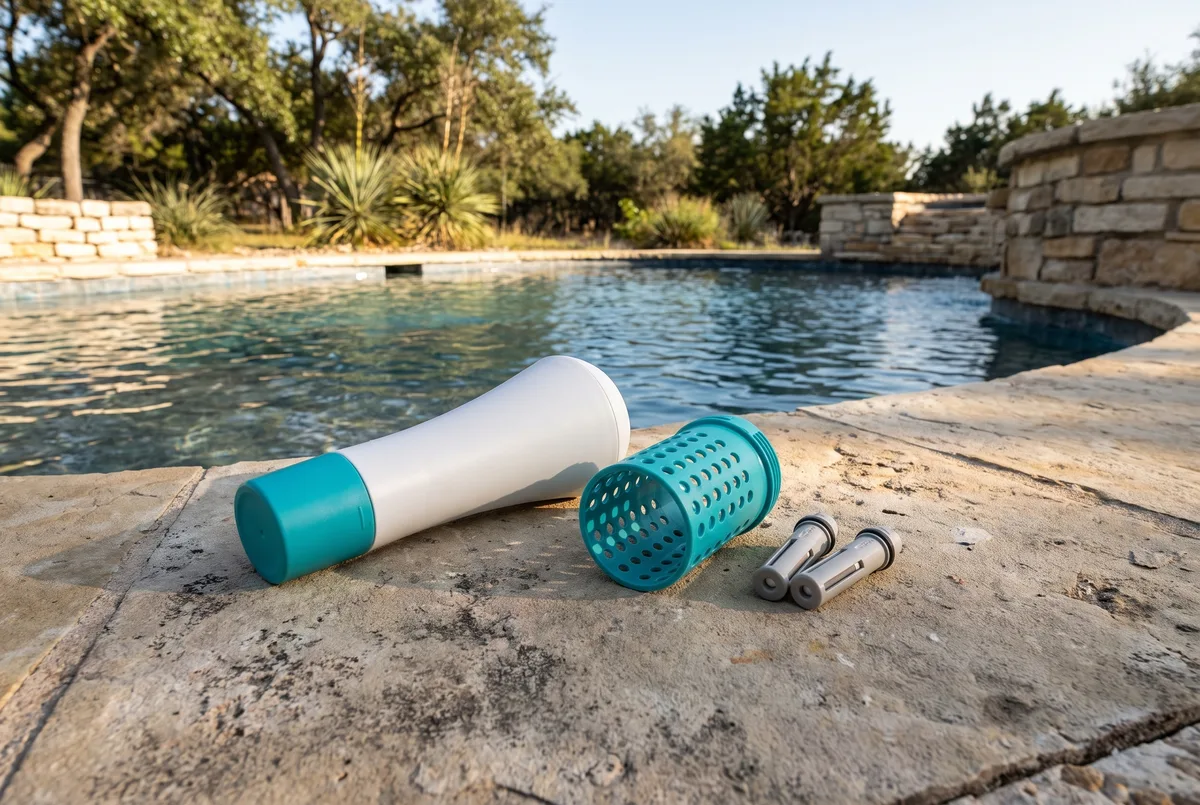
ICO's readings are only as good as its sensors, and the probes are user-replaceable — no sending the whole unit away. Each measurement type has its own sensor and calibration kit so you can maintain accuracy or expand what you track:
Pair the monitor with the right sensors for your pool type and you've got a complete water-intelligence system: continuous readings, self-checking accuracy, and advice that arrives before problems do.
Is a Smart Monitor Worth It?
If you enjoy the ritual of manual testing and your water already behaves, a good drop kit is fine. But most pool owners aren't fighting a knowledge problem — they're fighting a consistency problem. Water chemistry drifts every day, and the trouble almost always comes from a slow change nobody was watching, not a single bad test.
That's exactly what continuous monitoring solves. ICO doesn't replace understanding your water — the guides on this site give you that — it replaces the tedium of watching it. You learn what the numbers mean; ICO handles the hourly vigilance. Balance your water once, and then, mostly, just swim.
Make pool maintenance effortless
Our smart water monitors track pH, ORP, and more in real time — and tell you exactly what to add. No guessing, no test strips.
Explore Smart Water Monitors